Torn between pitching a tent and booking a furnished safari tent? You’re not alone. The glamping vs camping debate comes down to two very different experiences that can look similar on a website but feel worlds apart at 10 p.m. when it’s raining and you’re trying to figure out which pole goes where. Before you hand over your money, you probably want a clear answer on what each option actually costs and what you get for it.
This guide breaks it all down. We’ll define what each style really means, compare nightly rates and the hidden extras that surprise first-timers, and walk through what a night and a full day actually look like in both. We’ll also cover when and how to book each style, and help you match the choice to your trip, whether that’s a budget weekend, a remote multi-day route, or a first outdoor stay with someone who’d rather not sleep on the ground.
What Glamping vs Camping Really Means
Camping, in the traditional sense, means you bring your own shelter and set it up yourself. You arrive at a basic campsite with a tent, a sleeping bag, a stove and whatever else you’ve packed, and you build your temporary home from the ground up. The campsite itself usually offers little more than a designated pitch, access to shared washrooms and, in many cases, a fire ring or picnic table.
Glamping flips that arrangement. Instead of a bag of poles in your trunk, you book a pre-built, furnished structure: a safari tent, a geodesic dome, a yurt or a small cabin. The bed is already made, the lighting works when you flip a switch, and someone else has handled every step of the setup before you arrive.
The core difference
It comes down to responsibility. With camping, you handle the setup, the cooking, the packing and the comfort adjustments yourself, which is part of the appeal for many travelers. With glamping, the operator handles all of that, and your job is essentially to show up and enjoy it. Neither style is better across the board; they simply suit different budgets, energy levels and reasons for heading outdoors in the first place.
Cost Comparison: Nightly Rates and Hidden Extras
The price gap between the two styles is significant. Basic campsite pitches typically run $15–$40 per night in the US, which is why camping has long been the go-to for budget travelers. Glamping stays typically cost $150–$400 per night, putting them closer to a mid-range hotel than a budget trip.
But nightly rates don’t tell the whole story. Traditional camping carries a one-time gear investment of roughly $300–$600 per person if you’re starting from zero. That upfront cost spreads across years of trips, but it lands in full before your first night out.
Glamping works differently: prices usually include bedding, lighting and sometimes meals, so there are few add-on costs once you arrive. Still, a few extras can catch you off guard if you don’t ask in advance:
- Firewood and ice are common on-site purchases at campgrounds, often sold at the camp store, and a multi-night stay adds up faster than you’d expect.
- Some glamping operators charge separately for activities like guided hikes, kayaking or firewood bundles, even when the room itself seems all-inclusive.
- Showers at basic campgrounds sometimes run on coin or token systems, so keep small change handy if the site isn’t fully free.
- Taxes and resort-style fees at glamping properties can add to the quoted nightly rate, so check the total price before booking rather than the headline figure.
When you compare the two fairly, add up the full trip: nightly rate, gear or rental costs, food and any extras. Camping usually still wins on total price, but the gap narrows once you factor in gear for a first-timer.
Comfort: What You Actually Get at Night
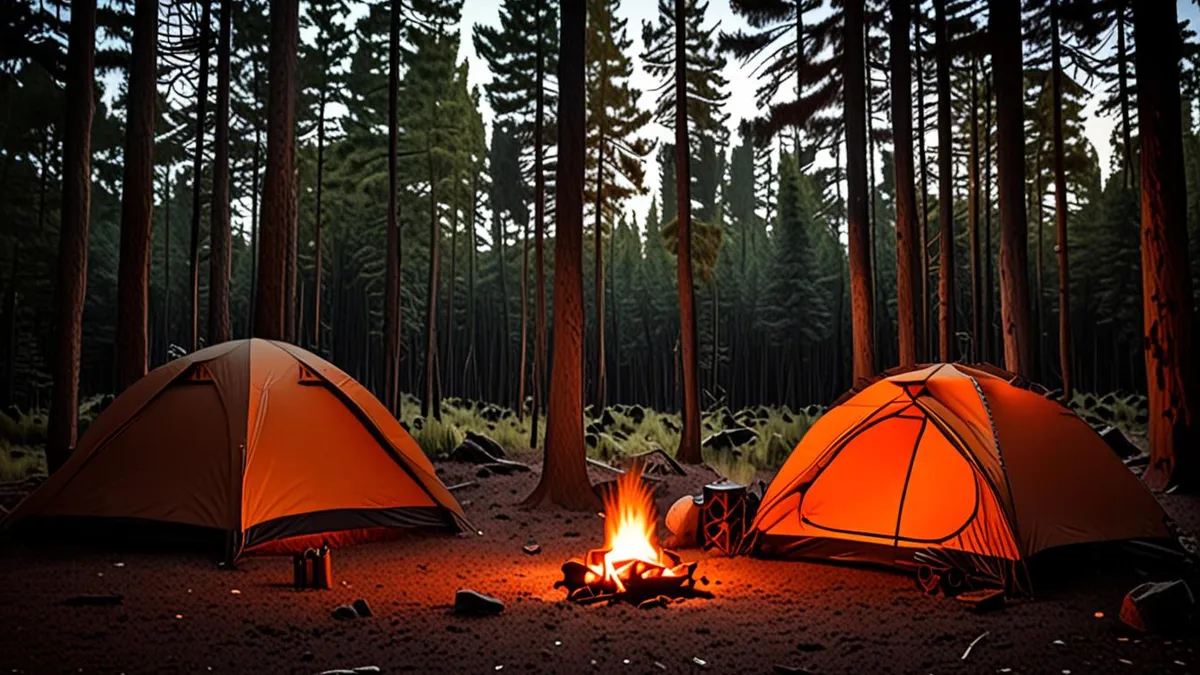
Nights are where the two styles differ most. In a traditional camping setup, you’re sleeping in a bag on a sleeping pad, on the ground. Even a good pad softens the surface rather than eliminating it, and first-timers are often surprised by how much they feel every root and slope beneath them.
Washrooms are shared at basic campgrounds, which means a walk in the dark, a queue in the morning and packing a toiletry bag for every trip. Temperature swings are another reality: tents warm up quickly in afternoon sun and cool down fast after dark, so a night that starts pleasant can end chilly without the right sleeping bag.
What glamping changes
Glamping typically gives you a real bed with a proper mattress, plus heating or fans to keep the interior comfortable. Many structures have private bathrooms, and even more basic setups usually offer en-suite facilities or clean facilities a short walk away. You keep your shoes on inside, you don’t wrestle with a headlamp to find the toilet, and you sleep at a reasonable temperature without preparation.
Weather resilience matters too. A furnished tent or dome is professionally anchored, sealed and stocked, so a night of rain and wind is a non-event. A first-time tent setup, by contrast, is only as good as your guy lines and pitch choice, and a stormy night can turn into a soggy learning experience. If reliable sleep is your priority, the difference is hard to overstate.
What to Expect Day to Day
The biggest difference between camping and glamping shows up not when you check in, but in how you spend every hour afterward. When you camp, you are the operator. You cook your own meals on a portable stove or campfire, haul water from a shared tap, and pack out every scrap of trash you generate. Plenty of travelers love that hands-on routine, but it is real work, and it starts before breakfast and ends after dinner.
Glamping shifts almost all of that responsibility to the operator. Your structure is already set up, your bed is made, and many sites provide a kitchenette, an on-site restaurant or cafe, or a fire pit that comes pre-stocked with firewood. You still might toast marshmallows, but someone else split the logs.
A useful rule of thumb: budget 1–2 hours a day for camp chores when camping, versus near-hotel convenience when glamping. Here is where that daily time actually goes:
- Cooking and cleanup: planning meals, setting up the stove, boiling water, washing dishes in a basin, and storing food properly so it does not attract animals.
- Water and waste: refilling jugs at a communal tap, walking to shared washrooms, and sorting trash and recycling for pack-out at sites without dumpsters.
- Fire management: gathering or buying wood, building the fire, keeping it attended, and fully extinguishing it before you sleep or leave.
- Shelter upkeep: re-staking guylines after wind, zipping the rainfly closed before an afternoon storm, and airing out damp sleeping bags each morning.
When and How to Book Each Style
Booking strategy matters more for glamping than for camping, mostly because supply is so much smaller. A large campground might have a hundred pitches; a glamping property often has fewer than a dozen tents or domes, so summer weekends disappear fast. That scarcity means you are competing with couples, families and group trips for the same handful of furnished units, often across multiple booking platforms at once. Most temperate regions see peak season run roughly May to September, with the shoulder months on either side offering lower prices, quieter sites and more forgiving availability if your schedule can bend a little.
- Decide your dates and flexibility first. If you can travel midweek or in June instead of August, you will find far more availability in both categories and often better rates.
- Book glamping 2–6 months ahead for summer weekends. Popular properties sell out their small inventory early, so put a reminder in your calendar rather than hoping for a late cancellation.
- Reserve standard campsites closer to your trip. Many allow 1–2 night minimums on weekends and take shorter-notice reservations, and check-in typically starts from early afternoon.
- Read the fine print either way. Confirm cancellation terms, what is included, and whether linens, meals or firewood carry extra charges before you pay.
If your dates are fixed and fall on a holiday weekend, treat both options as first-come booking exercises and reserve as early as the platform allows. Setting a calendar alert for the moment reservations open gives you a real edge, especially at small glamping properties where a single cancellation cannot cover a whole group. Midweek shoulder-season trips are the opposite: you can often book either style just days ahead and still have your pick of sites. If you are flexible on location as well as dates, widening your search radius by even an hour of driving can turn a “sold out” result into several solid options.
Which Style Fits Your Trip
The right choice depends less on the destination than on who is going and how long you are staying. Camping is the clear pick for budget trips, since a basic pitch costs a fraction of what you would pay for a furnished stay, leaving plenty of room in the budget for activities and good food. It is also often the only practical option in remote locations where no glamping infrastructure exists, and it suits travelers who already own gear and genuinely enjoy the routine of setting up camp.
When glamping makes more sense
Glamping is the better fit for first-timers who do not want to buy a starter gear kit just for one trip, for couples who want a real bed and a private bathroom, and for short getaways of fewer than three nights. On a quick weekend, spending half a day on setup and takedown eats a large share of your time; glamping lets you arrive, settle in within minutes, and leave without a morning of packing. It also removes the weather risk that comes with a first-time tent pitch.
The hybrid approach
You do not have to pick a side permanently. A hybrid trip works well: camp on multi-day routes where self-sufficiency is part of the experience, then finish with one glamping night as a reward. A hot shower, a proper mattress and someone else’s cooking on your final evening reset you before the drive home, and it costs far less than booking glamping for the whole trip. If you try this, book that final night well ahead, since furnished sites tend to sell out first in the busy months.
The Bottom Line on Glamping vs Camping
So which one should you book? Camping wins clearly on price, with basic pitches at $15–$40 a night, but it demands a gear investment and an hour or two of daily chores. Glamping wins on comfort, with real beds, private facilities and almost no preparation, at $150–$400 a night.
The right choice comes down to your budget, your trip length and how much roughing it you actually enjoy. If you want a low-cost, self-sufficient adventure, pack the tent. If you want the outdoors without the work, book the dome. If you have tried one style and are still torn, leave a comment with your experience or share this article with a friend who is planning the same debate.