Miami’s neighborhoods can feel like completely different cities, and picking the wrong base is the fastest way to sour an otherwise great trip. A business traveler parked on noisy Ocean Drive or an art lover stuck far from the galleries both end up spending more time and money in rideshares than they planned. Figuring out where to stay in Miami starts with understanding what each district actually offers.
This guide compares the city’s main hotel areas side by side. We start with how Miami is organized across the bay, then break down South Beach, Brickell and Downtown, the Wynwood and Design District arts corridor, and the quieter alternatives like Key Biscayne and Coconut Grove. We close with seasonal pricing patterns and a short checklist to help you match your base to your itinerary, so you can book with confidence.
Miami at a Glance: How the City Is Organized
Miami is really two destinations separated by water. On one side sits Miami Beach, a barrier island famous for its sand, art deco buildings and resort atmosphere. On the other side is the mainland, where you’ll find Brickell, Downtown and Wynwood, each with its own personality and hotel scene. Biscayne Bay runs between the two, connected by a handful of causeways.
Why the bay matters for your itinerary
If you stay on the beach, plan on a causeway drive for anything on the mainland, whether that’s dinner in Wynwood or a meeting in Brickell. The reverse is also true: mainland hotels mean a drive or rideshare every time you want to touch the sand. Neither choice is wrong, but it’s worth deciding before you book how many of your days will be beach days.
Getting around
Public transit is limited, so most visitors lean on rideshares to move between districts. The good news is that distances are short; almost every area mentioned in this guide sits within a 20-30 minute drive of the others. The catch is traffic, which varies widely by time of day and can turn a quick hop into a slow crawl during rush hour or big events. Build buffer time into any plan that involves crossing the bay, and check your hotel’s parking situation if you rent a car, since fees can add up quickly on both sides of the water.
South Beach: The Classic Miami Beach Experience
For most first-time visitors, South Beach is exactly the Miami they picture: pale sand out front, pastel art deco facades behind, and nightlife within a short walk of the elevator. If your priority is stepping out of your hotel and already being “in Miami,” this is the district that delivers it.
Where the hotels cluster
Ocean Drive and Collins Avenue hold the densest concentration of beachfront hotels, with rates typically running $200-500 per night and climbing during events. Ocean Drive puts you directly across from the sand and the art deco promenade, while Collins Avenue tends to offer a slightly more hotel-heavy stretch with easier beach access. For a broader look at coastal stays across the country, our guide to oceanfront hotels with beachfront views puts South Beach in context.
Crowds, noise and quieter blocks
Expect crowds and noise, especially along Ocean Drive, where bars, neon and pedestrian traffic run late into the night. Rooms facing the street can be loud even on higher floors, so light sleepers should ask for an interior-facing or rear room when booking. The quieter blocks sit between 20th and 40th Streets, where the pace softens, the restaurants feel more local and hotel rates are often a bit easier on the wallet without giving up beach access.
South Beach sits about 20-30 minutes by car from Miami International Airport, though that estimate stretches during peak traffic. Rideshares are the easiest option for most arrivals, and taxis are readily available at the airport terminals.
Brickell and Downtown: For Business Travelers and Skyline Views
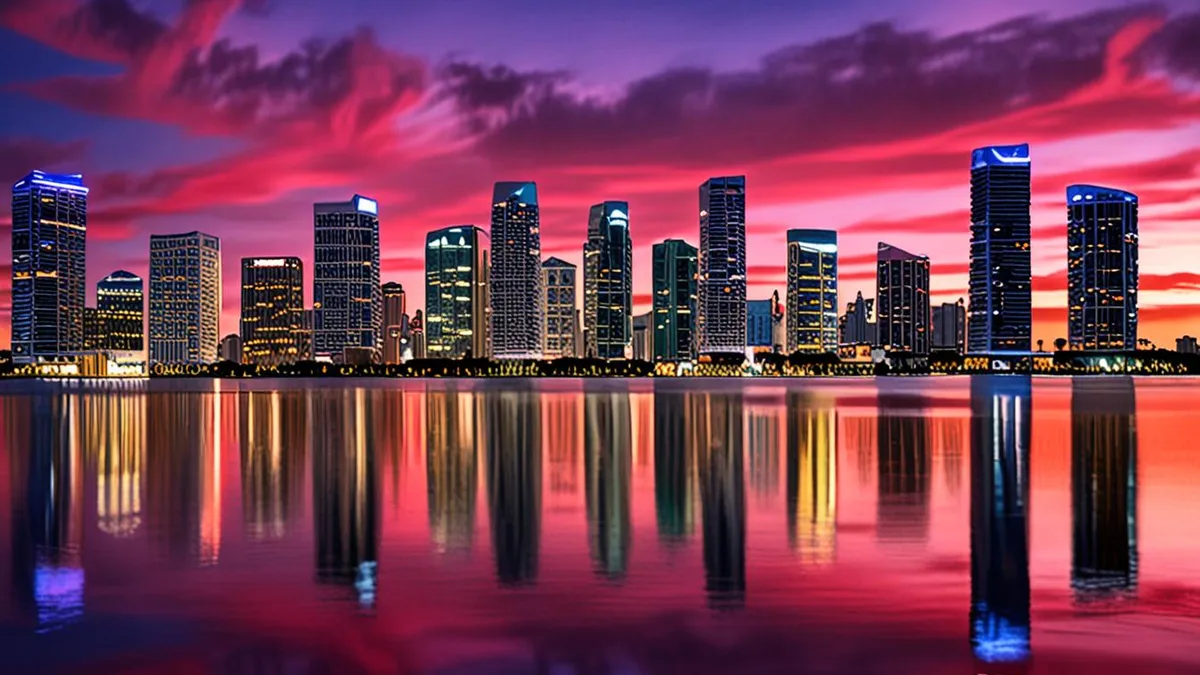
Brickell is Miami’s financial district, a wall of glass towers along the bay that suits business trips and travelers who prefer high-rise hotels over beach resorts. Downtown, its neighbor to the north, shares much of the same skyline energy and adds museums, courts and cruise terminals to the mix. If your itinerary revolves around meetings, waterfront views and city dining, this side of the bay makes more sense than the beach.
Rates usually run $150-350 per night, noticeably lower than South Beach in peak season. The area is roughly 15-20 minutes from Miami International Airport via I-95 or the Metrorail, and hotels here pair direct rail access with walkable restaurants and bars concentrated around the Brickell core. For travelers who love a high floor and a city-lights panorama, our roundup of skyline hotels with rooftop views covers more urban options like these.
The tradeoff is the beach: reaching the sand means crossing Biscayne Bay by car, and traffic on the causeways can stretch that drive considerably at peak times. This base works best for city-focused trips rather than sand-first vacations. A few practical details worth knowing before you book:
- Bayfront hotels in Downtown often sit within walking distance of Kaseya Center, so concert and game nights bring extra crowds and higher rideshare prices to the immediate area.
- Brickell’s Metrorail station connects directly to Miami International Airport, a rare convenience in Miami that can spare you a rideshare on arrival day.
- The Brickell Key causeway leads to a small, quiet island with a few hotels and a waterfront walking loop, a calmer pocket just minutes from the towers.
- Weekend parking in the district’s garages fills up near popular restaurants, so confirm whether your hotel charges self-parking or valet fees before you arrive.
Wynwood, Design District and the Mainland Arts Corridor
If your ideal Miami day involves murals, galleries and long dinners rather than beach chairs, the mainland arts corridor is your zone. Wynwood and the neighboring Design District attract art lovers, food-focused travelers and anyone who prefers a boutique hotel with personality over a sprawling beach resort. You’ll trade ocean views for creative energy, and many travelers find that a fair swap. Since the districts sit on the mainland side of the bay, plan on a causeway drive whenever you want to reach the sand.
What the Neighborhood Feels Like
Wynwood is famous for its street-art blocks, where warehouse walls have become an open-air gallery you can wander for hours. The Design District, a short drive north, counters with high-end galleries and flagship design showrooms. Both areas are close enough to South Beach that a spontaneous beach afternoon is entirely doable by car or rideshare.
One thing to know before you book: hotel stock here is smaller and more intimate than in the beach districts, and that limited inventory sells out faster during art events. If you’re traveling during a major fair or exhibition week, book early or expect slim pickings. For inspiration on what makes these smaller properties special, see this guide to boutique hotels across urban America.
Evenings are noticeably quieter than on the beach. Nightlife here means chef-driven restaurants, wine bars and gallery openings, not thumping clubs. If you want to end your night at 2 a.m. with music still playing, this isn’t your district — but if you’d rather end it over a great plate of food, it might be the best base in the city. Check current event calendars before locking in dates, since gallery weeks can reshape both availability and the neighborhood’s pace.
Key Biscayne, Coconut Grove and Quieter Alternatives
Not every Miami trip needs to revolve around Ocean Drive. If your version of paradise is calm mornings, green space and room for the kids to run, two districts on the city’s quieter edges deserve a look. Both trade easy access to nightlife for space and serenity, and for the right traveler, that’s a bargain.
Key Biscayne
Key Biscayne sits on its own island, reached by a causeway from the mainland, and offers a resort-style, family-friendly escape that still keeps Downtown within a manageable drive. Think wide beaches, parks and a slower rhythm that appeals to families and travelers who want to unpack once and stay put. The island feels a world away from South Beach despite the short distance, and the causeway crossing means you should plan your mainland outings rather than wing them.
Coconut Grove
Coconut Grove, on the mainland’s southern bayfront, suits travelers who want marina views, leafy green space and a relaxed village feel. It’s the kind of neighborhood where you linger over breakfast and stroll under banyan trees rather than race between attractions. Waterfront parks, shaded sidewalks and a laid-back dining scene round out the appeal, making it a favorite for slower-paced weekends.
The trade-off is location: neither area is walkable to Miami’s main nightlife, and both sit outside the main hotel clusters. Rideshare costs add up quickly if you plan to hop between districts daily, so these bases work best for longer or slower stays where you’ll spend most of your time in the neighborhood itself. If your itinerary leans toward beach clubs and late nights, one of the more central districts will serve you better — but if peace is the priority, budget accordingly for crossings and enjoy the calm.
When to Book and What You’ll Pay in Each District
Miami hotel prices swing more than most travelers expect. The same room can cost dramatically more in February than in October, and a single event week can upend even the savviest budget. Unlike some destinations where prices drift up and down gently, Miami’s rate curve is sharp: demand from sunshine-seeking winter visitors and a packed event calendar pushes prices to their ceiling in a matter of weeks. The good news is that timing and district choice give you real leverage, and a flexible traveler can often pay half of what a peak-season visitor does for a comparable room. Here’s how to time your booking and pick the right base for your wallet.
- Know the peak season. December to April carries the highest rates, with January and March the most expensive months. Expect limited availability alongside high prices during this stretch.
- Aim for shoulder months if you can. May to June and September to November often bring rates 30-50% below peak. The weather is warmer and more humid, but the savings can fund several extra nights, better meals or an upgrade you couldn’t justify in high season.
- Book ahead for winter travel. Reserve 2-3 months ahead for a typical winter trip. The best-located rooms in each district tend to go first, and last-minute options shrink fast.
- Plan even earlier for Art Basel. If your trip falls during Art Basel week in December, book 4-6 months ahead. Hotel inventory across the whole city tightens dramatically that week, not just near the fair.
- Compare beachside and mainland pricing. South Beach rooms typically run $200-500 per night, while Brickell and Downtown usually sit in the $150-350 range. If your itinerary is city-focused, the mainland can stretch your budget considerably.
One final tip: check rates across several districts before committing, and remember that event weeks can raise prices citywide, so scan the local events calendar before you lock in dates. Sometimes a mainland hotel in shoulder season costs less than a single peak-season beach night, letting you stretch a long weekend into nearly a week. Rates shift constantly, so compare current prices close to your booking window and check cancellation terms before you commit.
Choosing Your Miami Base
Miami’s neighborhoods can feel like separate cities, and the wrong base can sour an otherwise great trip. The good news is that the choice gets simple once you know your priorities. South Beach delivers the classic beach-and-nightlife trip, while Brickell suits business travelers and anyone who loves skyline views. Wynwood and the Design District fit art and food travelers best, and Key Biscayne and Coconut Grove offer calm for slower-paced stays.
Timing matters as much as location. Shoulder-season dates and booking early keep rates manageable, especially if you’re eyeing the busy winter months. Match the district to your itinerary, and Miami rewards you no matter which side of the bay you pick. If this guide helped you plan your stay, leave a comment or share it with a fellow traveler.