Shopping for a high-end lodge can feel like decoding a foreign language. One property quotes $300 a night, another asks more than $3,000, and neither rate sheet explains what you actually get for the money. That huge spread is exactly why the luxury lodge stay cost question trips up so many travelers before they ever pack a bag.
This guide breaks it down tier by tier, so you can see what each price band typically buys, from room-and-b breakfast stays to fully all-inclusive wilderness lodges. We’ll look at what drives the price of a single night, how the season you choose can swing the rate by a third or more, and how to read the difference between all-inclusive and room-only quotes. We’ll also flag the extras that quietly inflate the bill and share practical ways to get better value. By the end, you’ll be able to compare two lodges on equal terms and budget your trip with confidence.
What a Luxury Lodge Stay Cost Looks Like at Each Tier
The fastest way to make sense of lodge pricing is to stop comparing headline rates and start comparing tiers. At the entry level, luxury lodges typically run $300-$600 per night for two people. At this tier you’re usually paying for the room and breakfast only, so dinners, drinks and guided activities come out of your own pocket. These properties still deliver the hallmarks of luxury: excellent beds, attentive service and a beautiful setting, but the rate sheet reads more like a fine hotel than a wilderness camp.
Move up a tier and the math changes. Mid-tier luxury lodges range from $600-$1,200 per night, and those rates typically bundle breakfast plus some meals and guided experiences. A game drive, a guided hike or a sunset boat outing may already be included, which is why this tier often offers the best balance of experience and cost for many travelers.
The top of the range
Ultra-luxury safari and remote wilderness lodges often exceed $1,500-$3,000 per night, and those figures are usually fully all-inclusive. Everything from champagne to private guides to laundry can be wrapped into the rate. You’re not just buying a room at this level; you’re buying a staffed, seamless experience where the only thing you plan is what to wear to dinner. Knowing which tier you’re shopping in is the first step to judging whether any single rate is fair.
What Drives the Price of a Lodge Night
Two lodges in the same country can charge wildly different rates, and the reasons usually come down to three things: where the lodge sits, what the rate includes, and which room category you choose. None of these factors is a rip-off on its own; each simply reflects what it costs to deliver the experience.
Location is the biggest lever. A lodge a short drive from a town can restock food, fuel and staff easily, while a fly-in camp or a boat-access property has to charter every supply in. That logistics premium lands squarely on the nightly rate, and remote lodges often add minimum-stay requirements for the same reason.
Inclusions matter just as much. An all-inclusive rate covering meals, drinks and daily guided activities costs far more upfront than a room-only quote, but it can end up cheaper once you tally what you’d otherwise pay separately. Suite category is the third lever, and it’s where many travelers overspend without noticing.
- Private pools: suites with a dedicated private pool typically carry a meaningful premium over standard rooms, since they add construction, water supply and daily upkeep in places where both are expensive.
- Plunge pools and decks: even a small plunge pool or an oversized viewing deck can push a suite into a higher price band, especially in safari settings where the deck is where you’ll spend your afternoons.
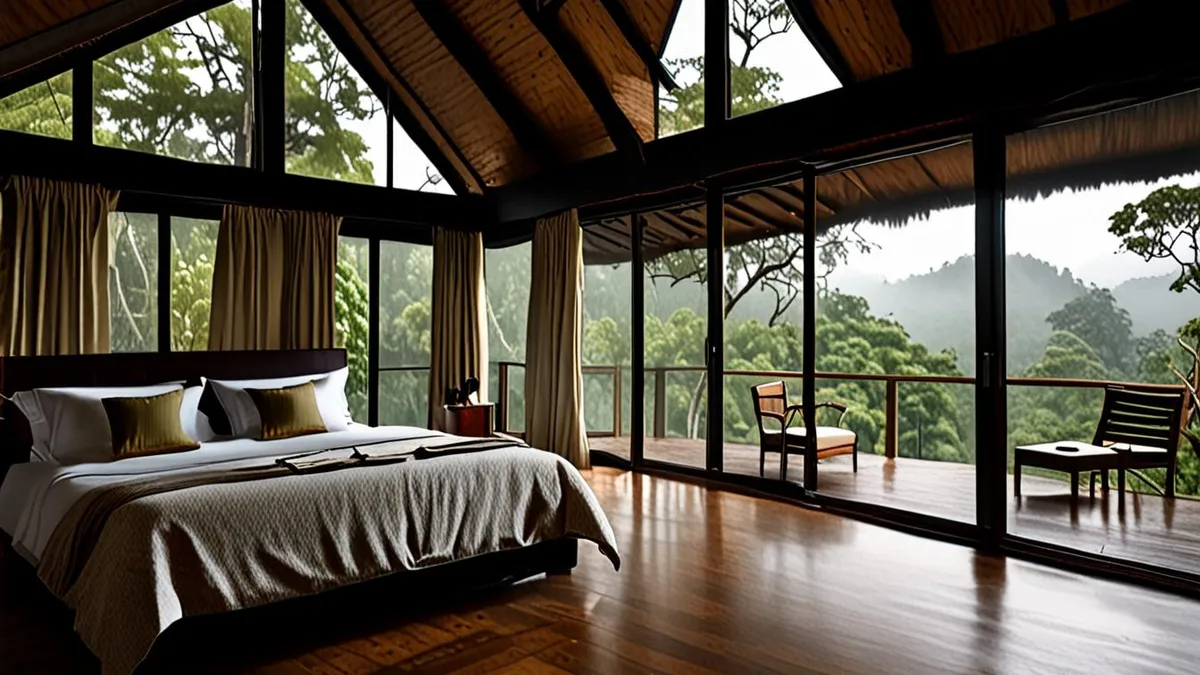
- Panoramic-view suites: rooms angled toward a canyon rim, a waterhole or a glacier command the highest premiums, and they also sell out first, so the view you’re paying for is the scarcest inventory on the property.
How Season Changes Your Luxury Lodge Stay Cost
Nothing moves a lodge rate as much as the calendar. At most lodge destinations, peak season rates run 30-50% above shoulder season, which means the same suite, the same view and often the same food can cost dramatically more simply because you booked the wrong weeks. Peak season exists for a reason: it’s when wildlife viewing, weather or trail conditions are at their best. But it’s also when lodges are fullest, guides are stretched thinnest and the atmosphere is least intimate.
Where the savings hide
Shoulder months are where experienced travelers aim. In many mountain destinations, windows such as May-June and September-October can cut rates by as much as a third while still offering genuinely good conditions. You trade a slightly higher chance of an afternoon shower or a chilly morning for emptier viewing decks, easier dinner reservations and guides who have more time to talk.
Then there’s green or low season, the deepest discount of all. Rain or heat keeps casual visitors away, so lodges soften rates further and the property can feel almost private. Wildlife can be harder to spot in some destinations during these months, and some activities may be weather-dependent, so go in with realistic expectations. If you value quiet and budget over perfect conditions, low season can be the smartest booking you make all year.
All-Inclusive vs Room-Only: Reading the Rate Sheet
Luxury lodge rate sheets can look confusing at first glance because two properties with similar headline prices may include completely different things. An all-inclusive rate bundles most of your stay into one number: meals, local drinks, and guided activities like game drives or guided hikes are usually covered. A room-only rate looks cheaper, but you pay separately for dining, beverages and every excursion.
The gap widens fast once you start adding experiences. A single private game drive, a candlelit dinner or a morning bush walk can each carry a meaningful surcharge at room-only properties. By the time you tally three meals a day, drinks at the bar and a couple of guided activities, a seemingly modest nightly rate can quietly grow into a much larger bill.
The smartest approach is to build a total trip cost for each option before you book. A $900 all-inclusive night can genuinely beat a $500 room-only night once the add-ons are counted, especially at safari lodges where activities are the whole point of the stay. Before comparing rates, check what each one actually covers:
- Meals and local drinks: all-inclusive rates typically cover all meals plus house wines, beers and spirits; premium wines, top-shelf labels and champagne are usually billed separately.
- Guided activities: shared game drives, bush walks and guided hikes are commonly included, while private vehicles, specialist guides and night drives often carry extra charges.
- Wellness and pampering: spa treatments, massages and beauty services are almost always billed on top, even at fully all-inclusive lodges.
- Transfers and flights: airport transfers and light-aircraft charters to remote airstrips typically sit outside the nightly rate, so factor them in from the start.
Ask the lodge or your booking agent for a sample final bill based on your planned length of stay. That single document tells you more than any headline rate ever will, and it makes comparing properties on equal footing remarkably easy.
Hidden Extras That Add Up
The nightly rate is rarely the whole story at a luxury lodge, and the extras that surprise travelers most are the ones nobody mentions at booking time. Remote safari lodges in particular tend to layer several charges on top of the room rate, and some of them are per person rather than per room. Budgeting for them upfront turns an unwelcome invoice into a planned expense.
Conservation and community levies are the most common surprise. Many safari lodges, including properties in Zambia’s South Luangwa National Park, add a per-person nightly fee that funds anti-poaching work, park management and local community projects. These levies often run $30-$100 per person per night, which adds up quickly for a couple staying several nights.
Getting to a remote lodge is another cost line entirely. Properties that are inaccessible by road rely on light aircraft or, at some destinations, helicopter transfers, and these hops can add a meaningful amount per person for a return journey. The fee is worth paying for the scenery alone, but it belongs in your budget, not in a post-trip shock. Ask the lodge or your operator for the current transfer cost when you book, as it varies widely by distance and aircraft type.
A few other extras deserve a line in your planning spreadsheet:
- Gratuities: tipping staff and guides is customary at most luxury lodges, and many properties provide suggested guidelines or a communal tip box; set aside an amount you are comfortable with before you arrive.
- Minimum stays: remote lodges commonly require 2-4 nights minimum, which multiplies every per-night levy, transfer and activity fee accordingly.
- Premium drinks and boutique purchases: imported wines, spa treatments and curio shop buys are billed to your room and settled at checkout, so keep a running mental tally.
Ask the lodge for a full list of what is excluded from your rate before you confirm. A five-minute email can save you a genuinely uncomfortable checkout moment.
How to Get Better Value on a Luxury Lodge Stay
Luxury lodge rates are more negotiable than they appear, but the discounts rarely come to those who wait. Small properties with a handful of suites have little reason to slash prices on rooms they will likely fill anyway, so the savings go to travelers who commit early, stay flexible on dates and simply ask the right questions. None of these tactics require haggling skills or insider contacts — just a bit of planning and a willingness to pick up the phone or send an email before you book. A few habits can shave a meaningful amount off a trip that looks fixed-price at first glance, and together they can easily add up to the cost of an extra night or a upgraded suite category.
- Book 6-12 months ahead. Early planners secure the best suites and the most favorable rates at sought-after lodges, and some properties reward early commitments with better pricing than latecomers will ever see.
- Target shoulder season. Traveling in the quieter windows, such as May-June or September-October in many mountain destinations, can cut roughly a third off the nightly rate while still offering good conditions.
- Stay midweek where you can. Weekend nights often carry a premium at accessible lodges, so shifting your stay to Tuesday-through-Thursday nights can soften the average nightly cost.
- Ask about multi-night offers. Many lodges quietly offer discounted rates for stays beyond their minimum, or package deals that bundle several nights with added experiences.
- Check resident and regional rates. If you live in the country or region where the lodge operates, ask about citizen or resident pricing, which can be substantially lower than international rates.
- Consider longer-stay discounts. A week at one lodge often costs less per night than three nights, and it deepens the experience at the same time.
Chasing last-minute deals rarely works at high-end lodges, because small properties with a handful of suites have little incentive to discount rooms they will likely fill anyway. The reliable savings come from planning ahead, timing your travel well and asking directly about offers that are never advertised on the front page of a website.
Budgeting Your Lodge Trip With Confidence
Luxury lodge pricing looks confusing because nightly rates swing from $300 to well over $3,000 with little explanation of what they actually buy. The reality is simpler than the rate sheet suggests: typical luxury lodge rates span $300-$3,000+ per night depending on tier, season and inclusions. Once you know which tier a lodge sits in, the headline number starts to make sense.
The two levers that matter most are timing and what the rate covers. Season timing and rate inclusions matter as much as the headline price, so compare a fully inclusive night against a room-only rate plus add-ons before you judge value. Planning ahead and accounting for extras like levies, transfers and gratuities turns a confusing rate sheet into a clear budget you can actually trust. If this helped you decode lodge pricing, leave a comment or share the article.