Dreaming of a villa in Tuscany is easy. Choosing one is another story. Between regions you can’t tell apart on a map, weekly rates that seem to swing wildly, and booking rules you’ve never heard of, it’s tempting to give up and grab the first farmhouse you see. The truth is that most of that confusion comes from starting in the middle: scrolling listings before deciding what you actually want from the trip.
This guide works the other way around. We’ll walk through picking the right Tuscan region for your travel style, choosing your dates with an eye on price and crowds, setting a realistic budget, and deciding which villa features genuinely matter to you. Then we’ll cover the practical side: transport and daily logistics, plus how to book smart by vetting listings and steering clear of scams. Follow the steps in order, and by the end you’ll know exactly what to search for, when to book, and what a fair price looks like.
Pick the Right Tuscan Region for Your Trip
Tuscany is not one single destination, and the region you pick shapes your entire trip. The most common mistake travelers make is booking a beautiful villa without thinking about how far it sits from the places they want to visit. A stunning property in a remote valley can mean hours in the car every day if your heart is set on city sightseeing.
For wine lovers and city hoppers: Chianti
Chianti suits wine lovers who want a central base between Florence and Siena. Villas here sit among vineyards and olive groves, with drives of roughly 30-60 minutes to either city. You can spend the morning in a Renaissance city and be back by the pool for an afternoon swim, then taste local Sangiovese wines at nearby estates without long hauls.
For postcard landscapes and families
Val d’Orcia, around hill towns like Montepulciano and Pienza, offers the classic postcard landscape of rolling hills and winding cypress-lined roads. It sits about 1.5 hours from Florence, so it works best if you plan fewer day trips and more slow days exploring small towns, thermal springs and wineries.
Families with children often do better around Lucca and the northern hills. Shorter drives to Pisa and the coast mean less time buckled into car seats and easier day outings. If you crave something wilder and less touristic, southern Maremma delivers rugged countryside much closer to coastal beaches, with far fewer tour buses on the roads.
–
Choose the Best Season for a Villa in Tuscany
Timing makes a bigger difference to your Tuscan villa experience than almost any other choice you make. The same property can feel like a private paradise in May and a crowded, pricey squeeze in August. High season runs from June to August, with July and August the busiest and hottest months, when prices peak and popular hill towns fill with day-trippers. If you have flexibility in your schedule, shifting your stay by even a few weeks can change the entire feel of your trip, from the light on the hills to how easy it is to park in a small village.
The shoulder months are where smart travelers find value. May, September and early October bring milder weather and rates typically 20-30% lower than peak season. You still get long, pleasant days for swimming and sightseeing, but with thinner crowds and easier restaurant reservations. Evenings can be cool enough for a light sweater, which many guests actually prefer after a hot day in the sun. If a private pool is high on your wish list, our guide to private pool resort stays shows why pool time deserves this much planning attention.
A few seasonal details are easy to overlook when booking:
- Pool seasons are fixed. Pool access typically runs May to September, so off-season travelers should not expect a usable pool, even on warm autumn afternoons.
- Harvest brings trade-offs. September and October add wine events, festivals and the chance to see vineyards in action, but country roads get busier with tractors and wine traffic.
- Book around events. Local harvest festivals and wine weekends can fill small towns quickly, so check event calendars before locking in your dates.
Set a Realistic Budget and Understand Price Ranges
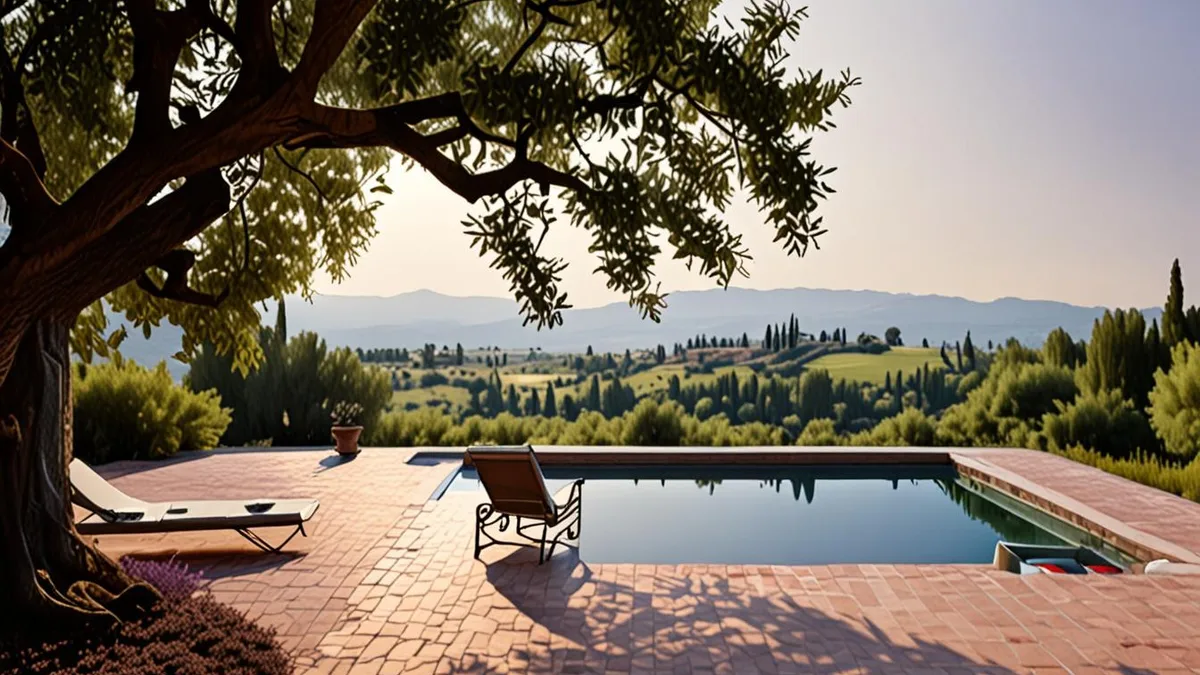
Villa prices in Tuscany vary enormously, so anchoring your expectations early saves weeks of frustrated searching. Expect weekly rates from around €1,500 for a simple two-bedroom farmhouse to €10,000 or more for large luxury estates with staff, panoramic views and extensive grounds. Most well-located three or four-bedroom villas with a pool sit somewhere in between.
Season changes everything
The same villa can swing wildly in price depending on when you travel. Peak-season July and August bookings can cost 30-50% more than the identical property in May or October. If your dates are flexible, shifting your trip by even a few weeks into the shoulder season can mean the difference between a modest farmhouse and a genuinely special estate for the same money.
Budget beyond the nightly rate
The advertised weekly rate is rarely the full cost. Factor in extras such as cleaning fees, heating in cooler months, and optional services like a private chef or daily housekeeping. Heating in particular can add a surprising amount in spring and autumn, so ask what is included before you commit.
One of the best value tricks is sharing a larger villa between two families. Splitting a big estate with two kitchens or plenty of bedrooms often cuts the per-couple cost significantly compared with booking two smaller rentals, and you gain built-in company for long dinners under the pergola.
Decide Which Villa Features Actually Matter to You
Once you have a region and a season in mind, it is time to get honest about which villa features you will actually use. Tuscany rentals vary enormously, and the difference between a dreamy stay and a frustrating one often comes down to two or three details you forgot to check before booking.
The good news is that some things are easy to expect. A private pool, for example, is standard in most mid-range and luxury villa rentals, and if you are traveling in July or August with children, it is less a luxury than a daily necessity. After a morning of sightseeing in the heat, nothing saves the afternoon like a swim at home.
Other features are less predictable, and this is where older farmhouses can surprise you. Before you commit, work through the list below and ask the owner or agency directly about each point.
- Air conditioning: Many rustic stone farmhouses only have fans, and thick walls help but do not eliminate the July and August heat. Confirm exactly which rooms are cooled, not just whether the listing mentions it.
- Kitchen and dining space: If you plan to cook or host long dinners, look for a full-sized oven, a large fridge and a table that genuinely seats your whole group, not a decorative kitchenette.
- Reliable Wi-Fi: Remote hillside properties often have weak or satellite connections. If you need to work during your stay, ask for a speed test screenshot before booking.
- Pool season and maintenance: Even where a pool is listed, confirm it is filled and cleaned throughout your dates, especially in the shoulder months at either end of the swimming season.
If a dramatic pool is the centerpiece of your trip, it is worth seeing how other destinations handle it. The design ideas in these boutique villas in Santorini with infinity pools show what a truly exceptional pool setup can look like, which is a useful benchmark when comparing Tuscan listings.
Plan Transport and Daily Logistics Around Your Villa
Here is the truth about most rural Tuscan villas: you will need a rental car. Villas sit on hillsides and among vineyards precisely because they are away from towns, and that means a drive of around 20-40 minutes to the nearest supermarket or restaurant is completely normal. Build that into your daily plans, especially if you want fresh bread each morning or plan to eat out most evenings.
Access roads deserve more attention than you think
Narrow unpaved access roads are common in the Tuscan countryside, and some are genuinely bumpy and tight. If you are nervous drivers, filter listings for “easy access” or ask the owner directly about the final stretch of road. A gorgeous villa at the end of a rutted gravel track can turn every drive home into a stressful experience, particularly after dark or after a long day of sightseeing.
Parking matters too. Confirm how many spaces are available and whether the driveway suits the size of car you plan to rent. A large SUV and a tight walled courtyard are a poor match, and some villas only offer parking a short walk from the entrance, which is worth knowing before you arrive with luggage.
Finally, think about where the villa sits relative to your day trips. A base in Chianti keeps you centrally placed between Florence and Siena, while a villa in Val d’Orcia puts you closer to the southern hill towns. Match the location to your itinerary and you will spend your week enjoying Tuscany rather than sitting behind the wheel.
Book Smart: Timing, Vetting and Avoiding Scams
Finding the right villa is only half the job; booking it safely is the other half. The Tuscan rental market is largely trustworthy, with many owners and agencies renting the same properties to returning guests year after year. Even so, popular summer weeks sell out quickly and the occasional scam does exist, especially on social media and classified-style listings. A little discipline in how and when you book protects both your money and your holiday.
- Book early for summer: For peak-season summer villas, aim to book 9-12 months ahead, as the best properties are often reserved by the previous autumn. For shoulder-season dates, 4-6 months ahead is usually enough to find good availability.
- Use reputable platforms or agencies: Stick to well-known booking platforms or established local agencies with verified reviews from past guests. Read the cancellation terms carefully before you pay any deposit, so you know exactly what happens if plans change.
- Vet anything that looks off: If a listing has outdated photos or a price that seems too good for its region and size, request recent photos and a video call walkthrough. A legitimate owner will happily show you around; hesitation is a warning sign.
- Read the contract properly: Check arrival and departure times, security deposit terms and exactly what is included in the price, from linens to final cleaning. Surprises here are far easier to prevent than to resolve after arrival.
It also pays to keep a paper trail. Take screenshots of the listing and save any email promises about features such as the pool or air conditioning, so you have documentation if something differs on arrival. Pay by a method that offers buyer protection rather than a bank transfer to an unknown account, and never feel pressured into a “pay today or lose it” deal. A few extra minutes of checking before you pay is the cheapest insurance you will ever buy for a week in Tuscany.
Wrapping Up Your Tuscan Villa Search
Feeling overwhelmed by regions, price ranges and booking rules is normal when you start planning a villa holiday in Tuscany. The good news is that the decision becomes simple once you break it down. Choosing a villa in Tuscany comes down to matching the region, season, budget and features to your travel style. Wine lovers often gravitate toward Chianti, while families and scenery seekers find their fit elsewhere. There is no single right answer, only the right answer for your trip.
If value matters to you, shoulder-season dates and early booking deliver the best deals on the most desirable properties. Add realistic logistics planning, like accepting that a rental car is essential, and careful vetting of listings and contracts, and a Tuscan villa stay becomes the highlight of any Italy trip. Start with your region, lock in your dates, and the rest falls into place. If this guide helped you, leave a comment or share it with a fellow traveler.