Crete is far bigger than most first-time visitors expect. The island stretches roughly 260 km from west to east, and picking the wrong base can turn your villa holiday into a series of long drives rather than lazy mornings by the pool. Many travelers book a beautiful villa from photos, then realize too late that it sits hours from the tavernas, beaches or towns they had imagined visiting every day.
That is why choosing where to stay in Crete deserves real thought before you fall in love with a listing. This guide walks through the island’s main villa regions, from the harbors and beaches of the northwest to the calm, upscale northeast. We will compare Chania, Rethymno, the Heraklion coast and Lasithi, explain which airport suits each base, and finish with practical advice on when to book and how to match an area to the kind of holiday you actually want.
Why Your Choice of Base Matters on Crete
Crete’s size is the single most important fact to grasp before booking anything. At roughly 260 km long east to west, it is closer to a small country than a typical Greek island. If you base yourself near Chania, Rethymno sits about an hour away, and reaching the east coast becomes a full day trip rather than a casual outing. A villa that looks perfectly placed on a map can quietly eat your entire holiday in transfers.
This is why experienced visitors plan around one region instead of trying to see everything. Pick a base, then choose day trips within easy reach of it. You will spend your mornings by the pool and your evenings in nearby tavernas, rather than gripping the steering wheel on the north coast highway.
Match your airport to your base
Your arrival airport matters just as much as the villa itself. Crete has two main gateways: Chania airport serves the west of the island, while Heraklion airport works best for central and eastern bases. Flying into the wrong one can add several hours of driving to your arrival day, often with tired children and luggage in the car. Check which airport your flights use before you commit to a villa, and look at the realistic transfer time rather than the straight-line distance.
The good news is that every region of Crete rewards a single-region plan. Beaches, villages, gorges and archaeological sites are all plentiful; the mistake is trying to collect them from opposite ends of the island in one week.
Chania and the Northwest: Harbours, Beaches and Olive Groves
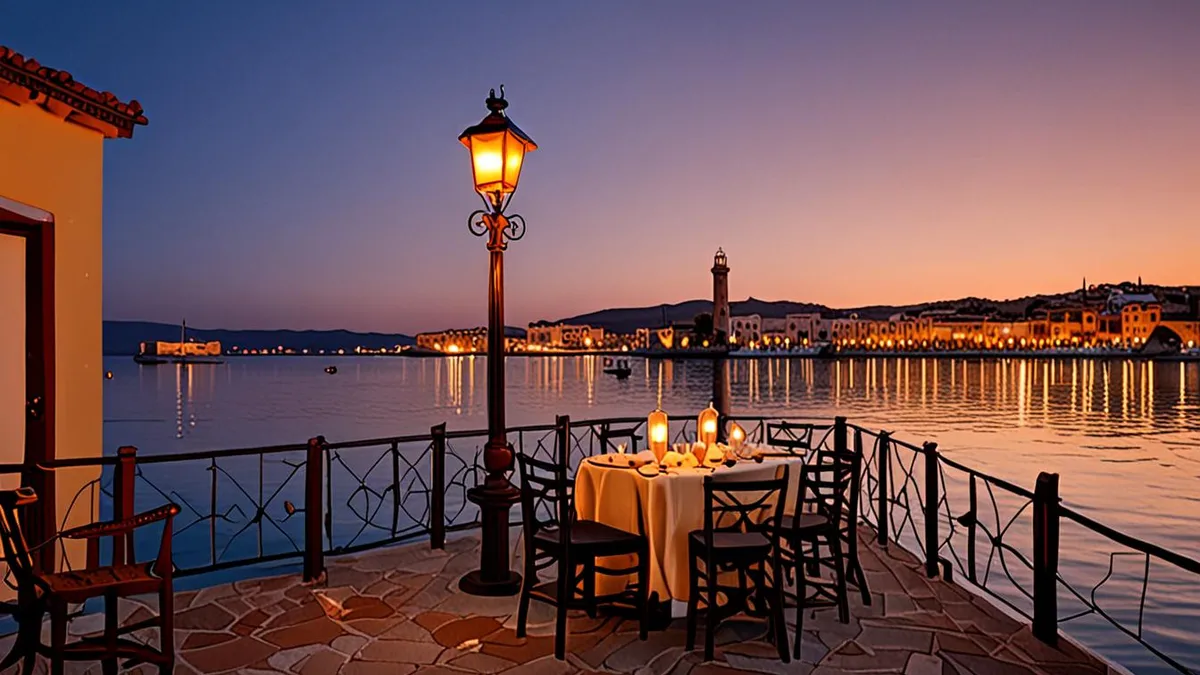
Chania and the northwest corner of Crete suit travelers who want scenery, food and beaches without long drives. The city itself has one of the most atmospheric old towns in Greece, built around a Venetian harbor lined with tavernas, cafés and centuries-old stone buildings. If you stay in or near the old town, dinner, drinks and evening strolls are all within walking distance, and history is not something you schedule, it is simply around you.
Just outside the city, the character changes. Coastal villages to the west offer quieter, family-friendly bases where beachside villas sit a short drive from Chania’s restaurants and shops. Further inland, prices drop and the landscape turns to olive groves and hills with sweeping sea views.
Where the northwest works best
- Platanias and Kolymbari: beachside villages west of Chania where villas sit close to the sand, with a slower pace that suits families with young children.
- Akrotiri peninsula: inland and coastal villas here trade direct beach access for wide sea views and generally lower prices, plus a shorter hop to Chania airport.
- Chania old town area: ideal if you want to leave the car parked and walk to tavernas, the harbor and historic sights every evening.
For most first-time visitors, this region is the easiest place to get right. You get beaches, dramatic coastline, excellent food and a walkable historic hub, all within a compact area.
Rethymno: A Middle Base Between West and East
Rethymno sits roughly midway between Chania and Heraklion, which makes it one of the most practical compromise bases on the island. If your group splits its time between western sights and central attractions, or if you simply want flexibility for day trips in both directions, a villa around Rethymno cuts the driving in half compared with basing yourself at either end.
The town itself is a genuine destination, not just a stopover. Its old town layers Venetian and Ottoman architecture into narrow lanes of wooden balconies, mosques and Venetian mansions, and a long sandy beach runs right beside it. That combination is rare: you can wander historic streets in the morning and swim from town beaches in the afternoon without ever getting in the car.
Stone villas in the hills
Head south of the town and the landscape climbs into hills and traditional villages. Here you will find restored stone villas with terraces, mountain views and a slower rhythm of village life. Travelers who prioritize authenticity over beachfront often prefer these bases: you trade a short walk to the sand for cooler evenings, dramatic scenery and tavernas where the menu depends on what arrived that morning.
Whichever you choose, Rethymno’s central position means you are never far from either end of the north coast, which is exactly why so many repeat visitors settle here.
Heraklion and the North-Central Coast
For many villa holidaymakers, Heraklion is the most practical arrival point on the island. The airport sits right in the middle of the north coast, which means central coast villas often involve a transfer of well under an hour. If your priority is getting from the plane to the pool with minimal fuss, this is the region to focus on.
The stretch east of Heraklion is Crete’s resort heartland. Hersonissos, Malia and Stalida line up along the coast with a full supporting cast of supermarkets, tavernas, car rental offices and beach bars. Villas here tend to sit on the hillsides just behind the resort strips, close enough to walk down for dinner but far enough up to keep some evening quiet.
If that sounds a bit lively, look west or a little inland instead. Agia Pelagia, a short drive west of the city, is built around a small curved bay with a handful of waterside tavernas, and it typically takes around 30 minutes or less to reach from the airport. Smaller villages nearby offer similar calm without the resort footprint.
- Hersonissos has a long seafront promenade, and many villas in the surrounding hills come with private pools aimed at families who want resort conveniences on tap.
- Malia draws a younger crowd, so groups who want bars and clubs until late will find the most nightlife here, though the old town behind the resort is genuinely pretty.
- Stalida sits between the two, often a good middle ground for mixed groups who want some atmosphere without going all-in.
- Agia Pelagia‘s bay is small and shingle-sand, so villas on the headlands above it command some of the best sunset views on this stretch of coast.
This region is also the natural base for anyone keen on Crete’s history. Knossos lies just outside Heraklion, and the archaeological museum in the city holds much of the island’s Minoan material. Add short drives to south-coast day trips and it suits travelers who want the beach to be the base camp, not the whole story.
Lasithi and the Northeast: Elounda, Agios Nikolaos and the Quiet East
If your idea of a villa holiday leans luxurious, the northeast is where Crete keeps its most polished stock. Elounda, on the calm Mirabello Gulf, has built a reputation as the island’s most upscale villa area. Expect substantial estates with infinity pools, staffed properties and prices to match, all set above water that stays remarkably sheltered even when the meltemi wind picks up elsewhere.
Next door, Agios Nikolaos offers a more down-to-earth but still attractive option. The town centers on a deep round lake connected to the sea, ringed with cafes and restaurants, and it makes a pleasant evening stroll after a day by the pool. Villas in the surrounding hills and along the coast keep eastern beaches within easy reach while letting you retreat to quiet at night.
Keep driving east and the island thins out dramatically. Around Sitia and the palm-fringed beach of Vai, you’ll find far fewer visitors even at the height of the season. This corner suits repeat visitors who already know Crete and want space, tradition and empty stretches of road rather than resort infrastructure.
- Elounda sits across a causeway from the former leper colony island of Spinalonga, one of Crete’s most visited sights, with boat trips leaving from the village harbor.
- Agios Nikolaos has its own small marina and a compact shopping center, so you can stock a villa kitchen without a big supermarket run.
- Sitia has its own small airport with limited domestic connections, worth checking if you’d rather avoid the road transfer.
- Vai’s palm forest is one of the largest of its kind in Europe, and the beaches nearby stay noticeably quieter than the north coast resorts.
The trade-off is distance. Elounda and Agios Nikolaos sit roughly 60-75 km from Heraklion airport, so expect a transfer of around an hour and a quarter to an hour and a half depending on traffic. The far east adds more still. Weigh that against how rarely you plan to leave the villa; if the answer is “barely,” the seclusion is worth it.
When to Book: Seasons, Rates and Lead Times for Crete Villas
Villa availability in Crete follows the seasons closely, and timing your booking matters almost as much as choosing the area. The peak season runs from late June to early September, with July and August the hottest and busiest months. During this window, rates typically run 30-60% above shoulder-month prices, and the best properties go first.
Booking for peak season
If you want a specific villa in July or August, book 6-9 months ahead. That’s especially true for larger properties that sleep eight or more, villas with heated pools, and homes with standout features like a walk-to-beach location or a particularly famous view. Leave it too late and you’ll still find something, but usually by compromising on layout, location or budget.
The shoulder-season case
May, early June, late September and October are quietly excellent. Sea temperatures sit around 20-24°C, warm enough for proper swimming, while crowds thin out and roads, tavernas and beaches feel relaxed again. Rates drop accordingly, and availability improves sharply. Shoulder-season travelers can often book 2-3 months out and still find strong options, including top-end villas that were fully committed the previous summer.
One practical note: check the exact opening dates of tavernas and tourist businesses if you’re traveling at the very edges of the season, as some coastal villages quieten down noticeably in late October. And whatever month you choose, confirm the villa’s pool heating arrangements before booking, since unheated pools in May or October can feel bracing even on sunny days.
Matching the Area to Your Holiday
Crete is far bigger than most first-time visitors expect, and picking the wrong base is the fastest way to turn a villa holiday into a series of long drives. The fix is simple: match the region to what you actually want. Chania and Rethymno suit scenery and old-town charm, the Heraklion coast works for convenience and nightlife, and Lasithi delivers luxury and calm.
Your airport choice, travel month and appetite for driving will narrow the list quickly, and once one region is settled, the rest of the planning tends to fall into place. If this guide helped you choose, leave a comment or share the article with a fellow traveler.