Every traveler dreams of that overwater villa, the turquoise lagoon and breakfast delivered by canoe. But when the actual booking page opens, hesitation kicks in. Is January worth the premium? Will October rain ruin everything? Picking the best time to visit maldives resorts feels surprisingly complicated for a destination famous for endless sunshine.
The truth is that the Maldives has two distinct monsoon seasons, and each one changes your weather, your prices and even what you will see underwater. This guide breaks down how the climate works, why December to April is considered prime time, when the wet season actually saves you serious money, and how to match your dates to manta rays, surf swells or simply the quietest pool deck. You will also find practical advice on how prices move through the year and when to book. By the end, you should know exactly which month fits your budget and your travel style.
Understanding the Maldives Climate: Two Seasons, One Destination
The Maldives sits close to the equator, which means it does not really have a summer and winter. Instead, the year swings between two monsoons, and understanding them is the key to planning a good trip. Temperatures hover near 28-31°C year-round, so you will never need a jacket. The real question is never about heat — it is about rain, wind and waves.
The dry northeast monsoon
From December to April, the northeast monsoon takes over. This is the dry season, bringing long stretches of sunshine, calm seas and low humidity. The lagoons turn glassy, the skies stay clear for days at a time, and conditions on the water are as gentle as the Maldives ever gets. Unsurprisingly, this is when most travelers want to visit.
The wet southwest monsoon
From May to November, the southwest monsoon brings more wind, higher humidity and regular rain. Before you write it off, consider this: the wet season still delivers around 5-7 hours of daily sunshine, and showers tend to be brief, often arriving in the afternoon. You can still swim, snorkel and sunbathe most days. The sea can be choppier and some days are greyer, but for many travelers the trade-off in price makes it a smart choice. Whichever monsoon you choose, you are still getting a tropical climate most of the world would envy.
Why December to April Is the Best Time to Visit Maldives Resorts
December to April is when the Maldives shows off. The dry northeast monsoon brings minimal rain, low humidity and calm, glassy lagoons that look exactly like the brochure photos. Wind is at its gentlest, so water sports, sandbank picnics and sunset cruises all run smoothly. If your idea of paradise involves flawless weather, this is your window.
Unbeatable conditions underwater
Dry season also transforms what happens below the surface. Underwater visibility can reach up to 30 meters, which is why divers and snorkelers are willing to pay a premium for these months. Reefs, drop-offs and passing rays and turtles are easier to spot in that kind of clarity. Photographers, in particular, tend to plan trips around this period.
The catch: crowds and holiday pricing
There is a reason the weather is perfect and the resorts are full. December to February is the busiest stretch of the year, and the best villas go early. If you want to travel in that window, book 6-12 months ahead to secure your preferred room and overwater villa. Prices climb steadily through December, and the peak stretch from mid-December to early January often costs 30-50% above shoulder rates. If your dates are flexible, shifting to late January or March can deliver the same sunshine for noticeably less money.
The Value Case for the Wet Season: May to November
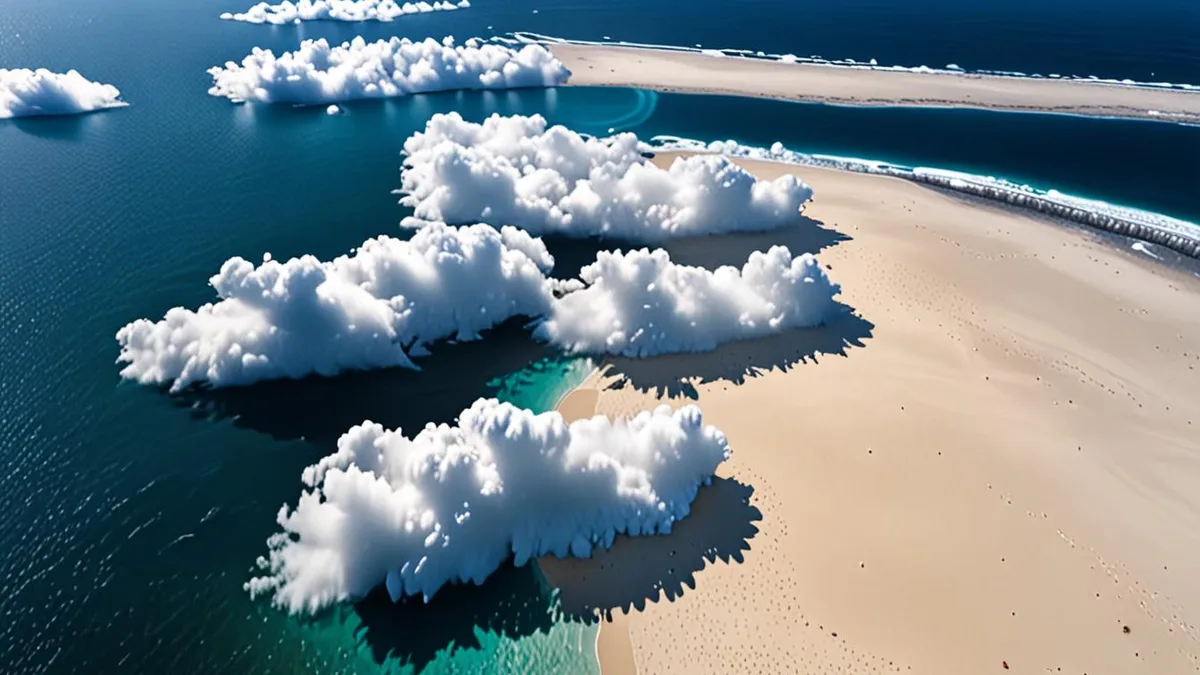
Here is the Maldives’ best-kept secret: the wet season is still very much a beach holiday. From May to November, resort rates typically drop 20-40% compared to high season, with the deepest discounts in May-June and September-November. On many islands, that means the same overwater villa you priced in February costs dramatically less — sometimes enough to upgrade your room category or extend your stay by a few nights without stretching your budget.
What the rain actually looks like
The southwest monsoon sounds worse than it is. Even in the wettest months, the sun makes regular appearances between clouds. Showers are usually short and intense rather than all-day affairs — a dramatic downpour rolls through, then the sun returns and the decks are dried off within the hour. You will lose some beach time, but rarely a full day. Pack a light rain jacket, keep a flexible spa appointment as a backup plan, and the weather rarely becomes a real problem.
The upside of fewer guests
Lower occupancy changes the feel of a resort entirely. Pools are quieter, sun loungers are always free, and spa and restaurant bookings become effortless. Staff have more time for guests, which many return visitors say is when service feels most personal. Snorkel trips run with smaller groups, and dive boats are rarely full. Add warmer, calmer lagoons for swimming and the chance of manta ray encounters at their seasonal peak, and if you value space, calm and value for money over guaranteed blue skies every single day, May to November is arguably the smarter time to go.
Matching Your Trip to Marine Life and Water Activities
The Maldives is one of those rare destinations where the season you choose shapes what you see in the water. Marine life moves with the monsoons, so the best month for a manta dive can be the worst month for glassy snorkeling lagoons. Matching your trip to the right window makes a huge difference.
Surfers have the clearest calendar. The surf season on the Male atolls runs from March to October, with the biggest and most consistent swells arriving between June and August. That overlaps with the wet season, which surprises many first-time visitors — the same storms that bring afternoon showers also generate the waves.
For wildlife, the pattern flips. Manta ray sightings peak between May and August, when plankton-rich currents draw them to cleaning stations and feeding spots. Whale sharks, meanwhile, appear around the southern atolls with sightings peaking from August to November. Divers chasing crystal-clear water and long-range views tend to favour the dry season, when visibility is at its best.
- Surfers: Book the June-August peak if you want the most powerful swells on the Male atolls; early March suits beginners looking for gentler, more forgiving waves as the season opens.
- Manta seekers: Plan around May-August and ask your resort which local cleaning stations are active — many resorts run guided manta excursions only when sightings are likely.
- Whale shark watchers: Target the southern atolls between August and November, and consider liveaboards or guesthouses on those atolls rather than resorts in the north to cut travel time to sighting zones.
- Divers: Dry-season visibility can stretch to impressive lengths on outer-reef sites, making it ideal for photography and drift dives where you want to actually see the reef wall.
- Snorkellers: Water temperature stays around 27-30°C year-round, so you can skip the wetsuit any month and simply pick a lagoon sheltered from the prevailing wind.
How Prices Move Through the Year and When to Book
Maldives resort pricing follows the monsoon calendar almost as reliably as the weather does. Villas that command a premium in January can drop dramatically in June, and understanding that rhythm lets you plan around it rather than be caught off guard by it. The trick is knowing which months deliver the best balance of price and conditions.
The sweet spot for value sits in the shoulder months. November and late April balance genuinely good weather — mostly dry, mostly calm — with rates well below the peak-season highs. You sacrifice a little certainty on conditions, but you keep a lot of money in your pocket. These windows also tend to be quieter than the holiday weeks, which means easier dinner reservations and less competition for the best sun loungers.
Booking windows that actually matter
For high-season travel, especially December through February, the earliest bookers get first pick of overwater villas and beach pool suites. Those room categories sell out early, and late bookers are often left choosing between less desirable options or inflated rates. Wet-season trips work differently: deals frequently appear a few months out, once resorts can see their occupancy gaps and start discounting to fill them.
Promotions worth watching
Wet-season resorts rely heavily on early-bird offers and last-minute promotions to keep occupancy healthy. Early-bird deals reward planners who commit months ahead, often bundling meals, transfers or spa credit into the rate. Last-minute discounts reward flexibility — if you can travel on short notice between May and November, the savings can be substantial. Terms, blackout dates and inclusions change from year to year, so check directly with resorts and operators before committing, and compare what is actually included rather than just the headline price.
Choosing the Right Season for Your Travel Style
There is no single “best” month for the Maldives — only the best month for the way you travel. A honeymoon couple and a family of five with teenagers want very different things from the same stretch of ocean, and the season that suits one can frustrate the other. The trick is to match your priorities, whether that is sunshine, savings, surf or sea life, to the right window on the calendar.
Honeymooners who want the driest, calmest stretch of the year should aim for January to March, and accept that prices will be higher. Families traveling in the July-August school holidays will face crowds in the wet season, but resorts often respond with family-focused deals that soften the blow. Surfers and anyone watching their budget get the most value from May to November, when rates fall and the marine action peaks.
- Honeymooners: Look for resorts with adults-only policies or dedicated quiet zones — many offer honeymoon perks like complimentary room upgrades or romantic dinners, but terms vary so ask before booking.
- Families: Wet-season family deals frequently bundle kids’ stays, meals and activities, which can make an otherwise expensive resort surprisingly affordable during July-August.
- Spa and wellness travelers: Quieter wet-season months make it easier to book multi-day treatment packages, and some resorts discount spa credits alongside room rates — worth asking when you request a quote.
- Surfers: June-August delivers the biggest swells on the Male atolls, and some surf-focused guesthouses and resorts price far below luxury resorts in the same season.
- Budget travelers: Local-island guesthouses in the wet season offer the deepest savings of all, letting you experience the same atolls and reefs for a fraction of resort prices.
Wrapping Up: Timing Your Maldives Escape
So, which month is right for your Maldives escape? If you want the driest, calmest conditions and don’t mind paying for them, December to April is your window. Expect plenty of sunshine, placid lagoons and the kind of postcard weather that justifies the premium, especially over the holidays when prices climb well above shoulder rates.
If you’d rather trade the occasional brief shower for meaningful savings, May to November is the smarter pick. Resort rates can drop by roughly 20-40% compared to high season, the pools are quieter, and the marine encounters are often richer. In the end, the right month comes down to your budget, the activities you care about and how tolerant you are of short tropical rain. Where would you go and when? Share your plans in the comments or pass this article along to a fellow traveler.