Planning a trip often starts with one confusing question: should you book a lodge, a hotel or a resort? The lodge vs hotel vs resort debate trips up even experienced travelers, because marketing blurs the lines. Many properties call themselves resorts when they are essentially hotels, and some hotels offer enough amenities to feel like resorts. The labels overlap on websites, but the actual experience and the price structure can be very different.
This guide breaks down what genuinely defines each stay type, then matches each one to the trips it serves best. You will see when a lodge’s remoteness and guided activities justify the cost, when a hotel’s central location beats everything else, and when a resort’s all-in-one setup delivers real value. We will also compare the three by trip style, look at how booking and budgeting differ, and give you a simple way to match your next trip to the right stay type.
What Defines a Lodge, a Hotel and a Resort
The three stay types differ mainly in purpose, size and what is included in the price. Understanding those differences makes choosing much easier.
The lodge: nature first
A lodge is a small, nature-focused property, often in a remote setting. The location itself is the main attraction, and stays usually revolve around guided activities such as game drives, bush walks or boat trips. Lodges are usually small, often with 10-40 rooms or units, which keeps the atmosphere intimate and personal. Because they sit far from towns and airports, the setting and the guiding are what you are paying for, not urban convenience.
The hotel: location and convenience
A hotel is an urban or transit-oriented stay built around rooms, dining and business services. You book a room, and that is essentially what you get: a comfortable base, often with a restaurant, gym or meeting space, but no bundled activities or meal plans. Hotels typically sit within walking distance of city centers, stations or airports, which makes them ideal when you plan to spend your days out and about.
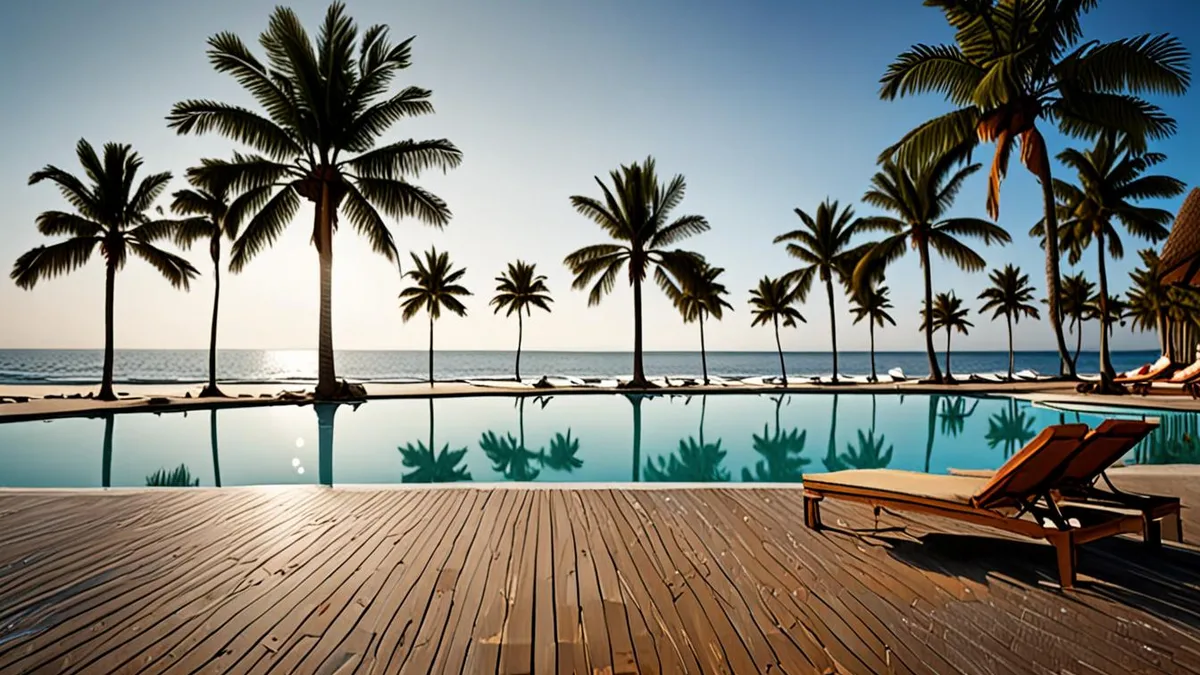
A resort, by contrast, is a self-contained property designed so guests rarely need to leave the grounds. Pools, spas, several restaurants, bars and entertainment are all on site, and many resorts add kids’ clubs and organized activities. Large resorts can exceed 300 rooms, and the idea is simple: everything you need for the holiday is inside the property, so the stay itself becomes the destination.
When a Lodge Is the Right Choice
Choose a lodge when the destination itself is the point of the trip. Wildlife safaris, rainforest stays and mountain retreats all fit this mold: you are there for the landscape, the animals and the expertise of local guides, not for shopping streets or nightlife. A lodge puts you inside that environment, often with activities included that would be hard to arrange on your own. If that appeals, it helps to read a firsthand account of what a lodge stay actually feels like, like floating over the forest at Puku Ridge Safari Lodge in Zambia.
What to expect from a lodge stay
Lodges stay deliberately small in scale, which keeps the experience personal and quiet. Communal dining is common, so you share meals with other guests and swap stories from the day’s excursions. Guided activities, typically game drives or nature walks, are generally included in the rate. Safari lodges typically charge $300-$1,500 per person per night including meals and game drives, so always compare per-person totals rather than room-only prices.
Getting there and booking ahead
Remoteness has practical consequences. Lodges often require 1-4 hours of transfer from the nearest airport, whether by road or light aircraft, so factor that into your arrival day and flight times. Availability is also tight: small remote properties fill up quickly. Book lodges 6-12 months ahead for peak-season dates, especially if you are targeting the peak safari seasons that run June-October and December-February in East and Southern Africa. Early planning gives you the best choice of guides, room types and transfer schedules.
When a Hotel Makes More Sense
Hotels are the natural pick when your days are spent outside your room. City breaks, business trips and overnight layovers all have one thing in common: you want a base, not a full-service property. A well-located hotel puts you steps from the sights, meeting venues or the departures board, and you are paying for position and convenience rather than pools or evening shows.
Simple pricing, flexible bookings
Hotel pricing is refreshingly straightforward compared with lodges and resorts. City hotels average $100-$300 per night for a mid-range double room, and there are no bundled meal plans or activity packages to untangle. You can book a single night without penalty, change plans easily, and eat wherever you like: the hotel restaurant, a nearby café or a street food market. That flexibility is exactly what short stays need.
Who hotels suit best
Hotels suit travelers who spend their days out and about and only need a comfortable room at night. If your itinerary is packed with museums, meetings, restaurants and neighborhoods to explore, paying for spas, kids’ clubs or organized excursions you will never use makes little sense. A clean, quiet, well-positioned room with reliable wifi and an easy check-in does the job. For one- or two-night stopovers between flights, a hotel near the airport or station often beats every alternative on both price and practicality. The trade-off is that everything beyond the room, from breakfast to parking to tours, is an extra cost you arrange yourself.
When a Resort Delivers the Best Value
If your idea of a good holiday involves never having to plan anything once you arrive, a resort is probably the right fit. Resorts work best for beach holidays, family trips and honeymoons, because everything you need is on site: pools, restaurants, bars, a spa and usually a stretch of private or semi-private shoreline. You unpack once, and the property handles the rest.
The appeal for many travelers is the predictable price. All-inclusive rates commonly range from $250 to $800 per night for two adults, and that figure typically covers meals, drinks and most on-property activities such as non-motorized water sports, fitness classes and evening entertainment. Before you book, check exactly what is included, since spa treatments, diving and premium alcohol often cost extra.
Why resorts suit longer stays
Large resorts, often with 300 or more rooms, have the scale to offer things smaller properties simply cannot: kids’ clubs, several themed restaurants, daily activity schedules and live entertainment. That variety matters most on longer stays, when you want options without leaving the grounds. If your plan is to relax in one place rather than take daily excursions, a resort delivers the most value per night.
Comparing Lodge vs Hotel vs Resort by Trip Style
The best stay type depends less on the destination and more on how you plan to spend your days. A traveler who is out from dawn to dusk needs something very different from one who plans to lounge by the water all week. Matching the property to your trip style is what keeps you from paying for amenities or remoteness you will not use.
Adventure and wildlife travelers generally get the most from a lodge, because immersion is the whole point. Guides, remote settings and small group sizes put you closer to the landscapes and animals you came for, and the property itself becomes part of the experience rather than just a place to sleep.
Culture and city explorers, on the other hand, benefit from a hotel’s central location and flexibility. When you spend the day walking neighborhoods, museums and markets, you only need a comfortable, well-located room to return to, and a one-night booking should be easy to arrange.
- Adventure and wildlife travelers: a lodge wins because guided excursions are usually built into the rate, so game drives or rainforest walks happen without extra planning on your part.
- Culture and city explorers: a hotel wins because being within walking distance of a city center lets you skip car rentals and come back to your room between sightseeing stops.
- Relaxation-first and family travelers: a resort wins because kids’ clubs, multiple restaurants and on-site entertainment keep everyone occupied, and the all-inclusive structure makes the total trip cost easy to predict before you go.
Budget and Booking Differences to Know Before You Choose
The three stay types price themselves in fundamentally different ways, and comparing them on nightly rate alone will mislead you. A lodge that looks expensive per night may actually be good value once you factor in everything bundled into the rate, while a cheap hotel room can quietly become costly through add-ons.
How each type structures its pricing
Lodge rates work differently from the other two: instead of a room-only price, you are quoted a per-person figure that already includes meals, guides and activities such as game drives. That can look steep next to a hotel at first glance, but remember what is inside the rate — three meals a day, two daily game drives and park logistics. Price those elements separately in a hotel-based trip and the gap narrows fast. Because these rates vary widely by property and season, ask the lodge or your operator exactly what is included before you book.
Hotels offer the cheapest entry point, with mid-range doubles averaging $100-$300 per night. Remember that this is usually room only: dining out, parking and any tours you book are added on top, which matters if you are staying several nights in an expensive city.
Resorts reward longer stays. A nightly rate of $250-$800 for two adults feels high for two nights, but stretched across 5-7 nights it covers a full holiday with few extra expenses, since meals, drinks and most activities are already paid for. If you book a resort, commit to the longer stay to get the full benefit, and check what is excluded before you arrive so there are no surprises on the final bill.
Matching Your Stay Type to Your Next Trip
So which one fits your trip? If you are heading out for wildlife, wilderness or dramatic landscapes, a lodge gives you the immersion and guided access that no city property can match. If your days are filled with sightseeing, meetings or short stopovers, a hotel keeps things simple with a central location and a comfortable room. And if your ideal holiday means barely leaving the property, a resort puts meals, drinks and entertainment all in one place.
The decision really comes down to three things: the setting you want, how the budget is structured, and how much time you will actually spend at the property. Weigh those before booking and you avoid paying for remoteness you will not enjoy or amenities you will not use. If you have a trip in mind, tell us about it in the comments or share this article with a fellow traveler.