Choosing between overwater bungalows vs beachfront villas is one of the most common dilemmas for travelers planning a tropical escape. Both promise that postcard-worthy lagoon view, but they deliver very different experiences, and the price gap can be significant. Overwater bungalows typically run $600-$1,500 per night in peak season, while beachfront villas of similar quality usually cost $350-$900 per night. That difference alone is worth a closer look before you commit.
This guide breaks the decision down into the factors that actually matter. We compare what each stay type really offers, from the romance of sitting 100-300 meters offshore on a wooden walkway to the extra space and flexibility of a villa on the sand. You’ll find a clear cost breakdown, practical advice on booking windows, honest notes on comfort and daily living, and a simple way to match each option to the kind of trip you’re taking. By the end, you’ll know exactly which one fits your budget and your travel style.
What an Overwater Bungalow Actually Gets You
The headline feature of an overwater bungalow is the one you’ll use most: your own private deck with a ladder or a few steps leading straight into the lagoon. There’s no walk to the beach, no searching for a spot on the sand. You finish a swim, climb up, and you’re back on your deck with a towel and a drink in under a minute. For many travelers, that loop of swim, dry off, repeat becomes the entire rhythm of the trip.
Step inside and the water follows you. Most bungalows include a glass floor panel, often set into the living area or near the foot of the bed, so you can watch fish and rays drift past below. The design is built around the view, too: large sliding doors and low furniture keep the sightline clear, giving you an uninterrupted 180-degree sweep of ocean from the bed itself. Waking up to nothing but water on the horizon is the moment you’re paying for.
The seclusion factor
Overwater bungalows typically sit 100-300 meters offshore, connected to land by wooden walkways. That distance does two things. First, it separates you completely from the beach scene — no crowds passing your deck, no music from the pool bar, just the sound of water lapping against your stilts. Second, it turns the walkway into a privacy filter. The only people who pass your door are staff and the occasional neighbor heading to their own bungalow.
That seclusion is real and noticeable, especially compared with beachfront rooms where foot traffic along the sand is part of the deal. If your ideal morning is coffee on the deck in complete quiet, followed by a swim off your own steps, this is the stay type built for it. Just remember that the trade-offs — space, shade, and the walk to restaurants — are covered in other sections of this guide, so weigh them alongside what you get here.
Why Beachfront Villas Offer More Space for Less
If space is high on your wish list, beachfront villas win almost every time. A typical villa starts at around 100 square meters, while most overwater bungalows sit in the 50-80 square meter range. That difference is easy to feel after a day or two: instead of one compact room plus a deck, you get a proper layout with room to spread out.
Many villas also come with features bungalows simply can’t fit. Separate bedrooms, a dedicated living area, a full outdoor garden and even a private pool are common at this size. For couples who want room to relax or small groups traveling together, that extra floor space changes the whole rhythm of the trip.
Then there’s the price. Comparable beachfront villas usually run $350-$900 per night, while similar-quality overwater stays typically cost $600-$1,500. That gap can mean several extra nights in paradise for the same total budget, or extra room to upgrade your dining and activities.
Beach access is the other quiet advantage. You step off your terrace straight onto sand, with shade, loungers and beach service close by. No long walkway to cross every time you want a swim, a drink or your towel refreshed.
- Multiple bedrooms are realistic: villas at 100 square meters and up often offer two or more bedrooms, so families or two couples can share one booking instead of paying for several separate units.
- Private pools come standard at many resorts: a plunge pool in your villa’s garden gives you a freshwater option all day, something the compact footprint of a bungalow rarely accommodates.
- Kitchenettes and dining space: many villas include a small kitchen or dining area, handy for longer stays, lazy breakfasts or travelers who prefer not to eat every meal at the resort restaurant.
- Indoor-outdoor flow: wide sliding doors between the living area and terrace mean you can enjoy the garden and sea breeze without giving up air conditioning or shade.
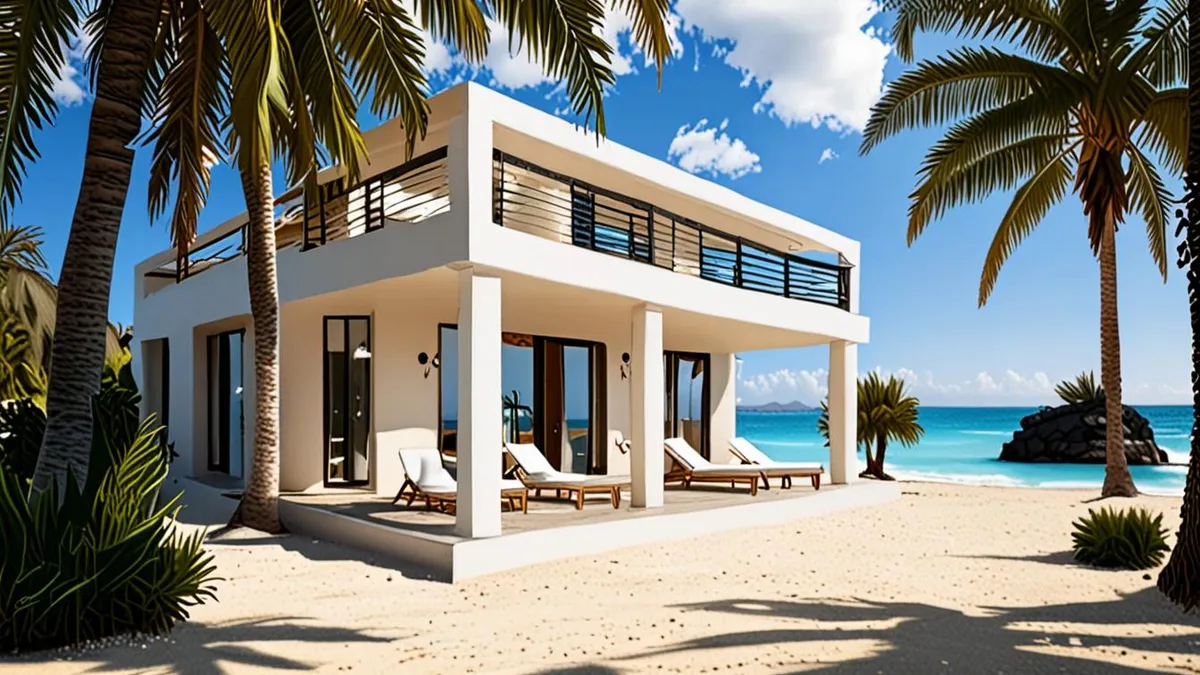
Overwater Bungalows vs Beachfront Villas: Cost Breakdown
Money is often the deciding factor, so let’s break down what you’ll actually pay. Overwater bungalows typically run $600-$1,500 per night in peak season, and that top end isn’t theoretical. If you’re traveling between December and April, expect rates to push toward the $1,500 mark, especially at well-known resorts where the most photographed units get snapped up first.
Beachfront villas of similar quality usually cost $350-$900 per night, which means the gap between the two stay types can easily reach several hundred dollars per night. Over a five-night stay, that difference can add up to the price of an extra flight.
Timing your dates to soften the bill
Here’s where flexibility pays off. The shoulder months of May-June and October-November can cut 20-30% off both stay types. That discount applies across the board, so while the bungalow still costs more than the villa, the absolute gap narrows and the overwater experience suddenly feels less out of reach. If your dates aren’t fixed, shifting your trip by a few weeks is the single easiest way to save.
Don’t forget the transfers
Transfers are the hidden line item that catches many travelers off guard. Resorts with overwater bungalows are often located on outer islands or lagoons, so getting there typically requires a boat transfer or even a seaplane ride, and these are usually charged per person each way. Beachfront villas, by contrast, are frequently found on accessible beaches near airports or ferry hubs, meaning you might arrive by a short taxi ride at little or no cost.
Before you book, ask your resort or operator exactly what transfers cost and whether they’re included in the rate. On remote atolls, seaplane transfers for a couple can add a meaningful amount to your total, so build that into your budget comparison rather than comparing nightly rates alone.
Booking Windows and When to Reserve Each Stay Type
Timing matters more for overwater bungalows than for almost any other hotel category, and it pays to understand why before you start comparing rates. Resorts build only a limited number of units over the lagoon, and each property typically has just a handful of them. That small inventory means the best dates sell out long before beachfront rooms do, sometimes many months in advance. If you show up late to the booking process, you are not choosing between good options; you are choosing between whatever is left.
- Book overwater bungalows 6-9 months ahead for December-April travel. High season inventory is limited, so reserving early in this window gives you the widest choice of bungalow positions. Position matters more than most travelers expect, since it affects views, privacy and how exposed your deck is to wind and passing boats. Booking early also gives you time to request specific units rather than accepting an assignment.
- Book beachfront villas 2-4 months out. Villas are usually in greater supply, so they remain available closer to your travel dates, even in peak season. This flexibility is genuinely useful if your plans are still taking shape, if you are waiting on flight prices, or if you want to see how the weather forecast looks before committing.
- Use the shoulder season to book later. If you travel in May-June or October-November, overwater availability often opens up 2-3 months ahead. You trade the driest, most reliable weather for lower rates and a much easier booking process, which suits travelers who care more about the experience than perfect conditions.
One practical tip: if you have your heart set on a specific resort or a specific end of a walkway, move to the earlier side of each window. Late bookers usually get whatever units are left, not the ones photographed in the brochure. It also helps to set a calendar reminder for the exact date your booking window opens, because popular resorts can fill their most desirable bungalows within days of releasing inventory. A quick email to the resort asking about position options before you book can save disappointment later.
Practical Comfort: Weather, Access and Daily Living
Overwater bungalows look effortless in photos, but daily life on a deck above the lagoon has a few realities worth knowing before you book. Wind and sun are the big ones: most overwater decks are open on all sides, with limited natural shade, so midday can be intense. Beachfront villas, by contrast, usually come with covered terraces, gardens and trees that let you stay outside comfortably for longer stretches of the day.
Swimming is the other major difference. Stepping off a bungalow ladder puts you straight into deep lagoon water, which is thrilling for confident swimmers but less practical for anyone who prefers to wade in gradually. A villa gives you gentle shore entry, soft sand underfoot and shallow water where children can play while you watch from a lounger.
- Room service takes longer. With bungalows sitting 100-300 meters offshore, a simple breakfast delivery or a trip to the restaurant means a 5-10 minute walk each way along the walkway, in sun or rain.
- Afternoon naps are easier in a villa. Covered terraces and garden areas stay usable through the hottest hours, while an exposed overwater deck often becomes a morning-and-evening space.
- Water shoes help at bungalows. Ladder entry means deep water below you, and some lagoons have coral or rock near the steps, so pack footwear if you plan to swim often.
None of this makes one option better overall. It simply means bungalow guests live a more exposed, water-centered day, while villa guests get shade, gardens and easy beach logistics built in.
Which Stay Type Suits Your Trip
The right choice depends less on the resort and more on the trip you are taking. A stay that feels perfect for two travelers celebrating an anniversary can feel cramped and expensive for a family of four, and vice versa. Match the stay type to the purpose of the trip first, then let the budget details follow.
When the bungalow wins
Honeymoons and milestone trips are exactly what overwater bungalows were built for. The privacy, the ladder into the lagoon and the uninterrupted view from the bed create the kind of experience most people only do once. If the trip itself is the celebration, the premium is usually justified, and the long booking lead time these units demand is simply part of the plan rather than an inconvenience.
When the villa wins
Families and longer stays almost always do better in a beachfront villa. You get more space for your money, gentle shore entry for children and lower nightly rates that add up quickly over a week or more. If you are comparing destinations broadly, browsing options like all-inclusive resorts in Barbados with nightly entertainment shows how much variety villa-style stays can offer beyond the classic lagoon setup.
There is also a middle path worth considering. Some travelers book two or three nights overwater for the bucket-list experience, then move to a villa for the rest of the trip. This split balances the budget nicely: you get the photos and the seclusion without paying the overwater premium for every night, and you finish the trip with the space and shore access that make the last days relaxing. It also softens the booking pressure, since villa nights are typically easier to secure closer to your travel dates than overwater inventory.
The Bottom Line on Choosing Your Stay
So which one should you book? Overwater bungalows deliver the seclusion and views most people dream about, typically at $600-$1,500 per night, but they need 6-9 months of lead time for a December-April trip. Beachfront villas give you more space at $350-$900 per night, with easier booking, shore access and everyday comfort.
If the price gap worries you, aim for shoulder-season dates in May-June or October-November, which soften the difference between the two stay types. Weigh your budget, your travel dates and who is coming along, and the right choice usually becomes obvious. If this helped you decide, leave a comment or share the article with your travel companions.