Glamping has exploded in popularity, and with thousands of listings now online, it has never been harder to tell a genuinely great stay from an overpriced tent with great photography. Every glamping site looks magical in its gallery shots, but the reality on arrival depends on details the photos rarely show: heating, bathroom access, road quality and how thin the canvas walls really are.
This guide walks you through the decisions that matter, in the order you should make them. You will learn how to define your trip style and budget before browsing, how to pick a location within realistic reach, and how to compare accommodation types, space and amenities. We also cover booking timing, vetting a site before you pay, and a final checklist to keep you on track. Work through each section and you will book with far more confidence.
Define Your Trip Style Before Browsing Glamping Sites
Before you open a single booking page, decide what kind of trip this actually is. A nature-immersion stay puts wildlife, dark skies and quiet mornings at the center, so you want a site far from towns. A romantic escape leans on privacy, a hot tub or a view, so a single designer dome may beat a larger lodge. A family base for day trips needs space for kids, easy road access and attractions nearby, because you will spend most days away from the tent anyway.
Once the trip style is clear, set your budget band early so you stop wasting time on listings you will not book. Most mid-range glamping sites charge $150-300 per night. Luxury lodges and designer domes typically start around $400 and climb past $800, and at that level you should expect en-suite bathrooms and serious comfort.
Lock in your season window first
Choose your dates before you choose a region, not after. Peak glamping season in most temperate regions runs from May to September, and availability in those months determines which destinations make sense at all. If your only free window is a summer weekend, expect competition for the best sites; if you can shift to spring or fall, your options and prices open up considerably. Write down your trip style, budget band and season window on one line before you start comparing sites.
Pick a Location Within Reach
The best glamping trip can be ruined by a drive that eats half of it. For a weekend getaway, keep your travel distance under 3 hours from home. Anything longer turns a two-night stay into a rushed one, with Friday evening lost to traffic and Sunday cut short by the return leg. Save distant sites for trips of three nights or more.
Look at what surrounds the site
A glamping site is only as good as what sits around it. Lakes mean swimming and paddling, forest trails mean hiking straight from your tent, and nearby vineyards or small towns give you things to do when the weather turns. Check the map before booking and ask yourself how much time you will realistically spend off-site. If the answer is “most of it,” the surroundings matter more than the tent itself.
Timing also shapes how a location feels. Shoulder months such as April, May, late September and October bring quieter trails, emptier viewpoints and surroundings that feel calmer overall. Rates often drop 20-40% compared with peak dates, so the same budget may reach a better-located site than it would in midsummer. If solitude is part of why you are going, shoulder season is usually the smarter window.
Compare Accommodation Types and Space
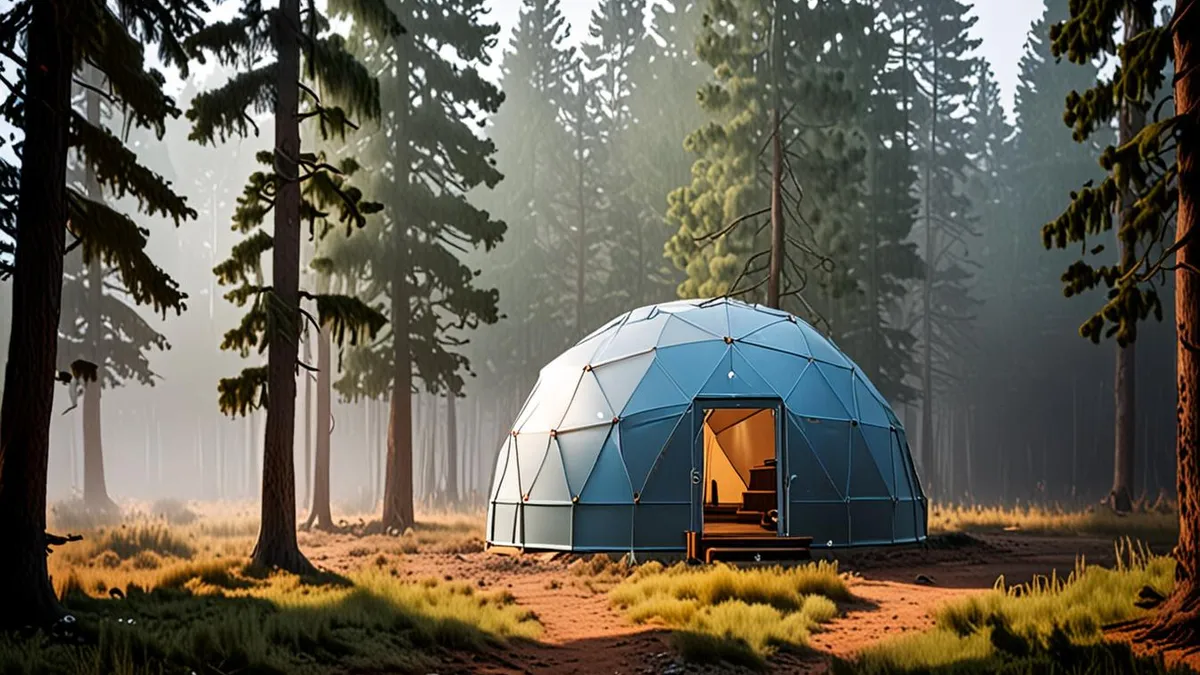
Not all glamping structures are equal, and the type you pick shapes both comfort and how weather affects your stay. Safari tents, geodesic domes, yurts and treehouses each behave differently in wind, rain and cold, so match the structure to the season rather than to the prettiest photo. A dome with proper insulation handles a chilly evening far better than a light canvas tent, while a safari tent can feel wonderfully airy in warm months.
Space matters more than most first-time glampers expect. For two adults, look for at least 25-30 square meters of floor space, which gives you room for a real bed, luggage and a place to sit without bumping into furniture. Covered outdoor seating is just as valuable, because mornings and evenings often happen outside, and a covered porch keeps those hours usable even with light rain.
- Safari tents: best in warm, dry weather; canvas breathes well in summer but can feel drafty in wind, so check whether the frame sits on a solid platform.
- Geodesic domes: strong in wind and rain thanks to their shape, and many come with large windows for views; confirm the window coverings give privacy at night.
- Yurts: circular layouts make small footprints feel spacious, and felt or fabric layers add warmth, though door seals and floor insulation vary a lot between sites.
- Treehouses: unbeatable atmosphere, but stairs and compact layouts suit couples more than families; ask about weight limits and access if you travel with older relatives.
For cold-season trips, heating is the make-or-break detail. Confirm the site offers real heating such as a wood stove, not just thin insulation and a hopeful description. A wood stove you can stoke yourself keeps a tent or dome genuinely comfortable through frosty nights, so ask directly how the unit is heated in winter before you commit.
Scrutinize Amenities and Comfort Levels
The single biggest comfort difference between two sites at the same price point is often the bathroom situation. Some glamping sites offer private en-suite bathrooms attached directly to your tent or dome, while others send you to a shared washhouse a short walk away. Neither is wrong, but the gap in daily comfort is real, especially on chilly mornings or during a rainy week. Always check the listing carefully, and if it is unclear, ask the host directly before booking.
Think about how you will actually spend your time on site. If you plan to cook, look for kitchen access or at least a communal cooking area. If breakfast is included, confirm what that means in practice, since some hosts deliver a basket to your tent while others serve at a set time in a dining tent. If you want to work remotely or stay longer than a couple of nights, reliable Wi-Fi matters, so ask about signal strength inside the accommodation itself, not just in the main lodge.
What recent reviews reveal
Reviews are where the marketing stops and reality starts. Focus on the most recent ones and look specifically for comments about bedding quality, noise and cleanliness, which are the most common complaints in glamping. A stunning dome means little if the mattress is thin, the walls let in every sound from neighboring units, or the linens feel damp. If several recent guests mention the same issue, treat it as a pattern rather than bad luck.
Book at the Right Time for the Right Price
Glamping sites are small operations, often with only a handful of units on the whole property, so the best ones fill up quickly. Booking well is mostly about timing, and a few deliberate steps will get you a better unit at a better price.
- Reserve summer weekends 3-6 months ahead. Peak season runs May to September, and popular sites typically sell out 3-6 months ahead for summer weekends. Booking early also gives you first pick of unit types, since the most sought-after domes and treehouses tend to go first.
- Target shoulder-season dates for savings. Stays in April, May, late September and October often cost noticeably less than peak dates. Availability is also easier, so you can sometimes book closer to your travel date without sacrificing quality, and popular units that are impossible to snag in July sit open in October.
- Ask about minimum-stay requirements. Many premium sites set a minimum of two or three nights on weekends. Knowing this before you fall in love with a listing saves you from building a trip around a site you cannot actually book for a single night.
- Book midweek when you can. If your schedule allows a Monday-to-Wednesday stay, you will usually find more open units, quieter grounds and hosts with more time to help you plan.
Once you know your dates, check cancellation terms at the same moment you book, and keep a shortlist of two or three backup sites in case your first choice is full. Flexibility on your end, paired with early booking on theirs, is the combination that consistently lands the best units.
Vet the Site Before You Pay
A glamping site can look flawless in photos and still be a headache in person, usually because of things the listing never mentions. Before you pay a deposit, do a little homework that goes beyond the gallery. This takes twenty minutes and prevents most of the disappointments travelers report after arrival.
Start by requesting exact coordinates from the host, then pull the location up on a map yourself. This matters most for hillside or forest sites, where a steep or rough approach road can make the last stretch uncomfortable in a regular car. Knowing exactly where you are headed also tells you how remote the site really is and how far the nearest town or fuel station is.
Next, get the practical details in writing. Confirm the cancellation terms and the weather policy before any money changes hands, so you know what happens if you need to cancel or if severe weather disrupts your stay. Verbal reassurances are easy to give and easy to forget.
- Ask specifically about heating. If you are traveling in the colder months, confirm the unit has a proper heat source and ask who supplies the firewood. A fireplace or stove you can actually run yourself beats insulation alone.
- Ask about insects. Screens, nets and sealed seams make a big difference depending on the season and the setting, especially near water.
- Ask about cell coverage. If you need to stay reachable, ask whether guests typically get signal on site and which carriers work best.
- Watch how the host responds. The speed and detail of their answers to these questions tells you a lot about how they will handle a problem once you have arrived and paid.
Your Glamping Site Checklist at a Glance
Sorting through thousands of glamping listings is much easier when you work through a clear sequence. Start by matching your trip style, your budget band and your season window before you compare any sites at all. That single step filters out most of the overpriced tents hiding behind flattering photography.
From there, weigh drive time, accommodation type, amenities and booking timing using the figures above, from the 3-hour weekend rule to the 25-30 square meter floor space guideline. Before you pay anything, vet road access, cancellation terms and host responsiveness with a few direct questions. And for peak summer weekends, book as early as you can, because the most sought-after sites fill their calendars far in advance. If this helped you plan your next trip, leave a comment or share the article with a fellow traveler.